
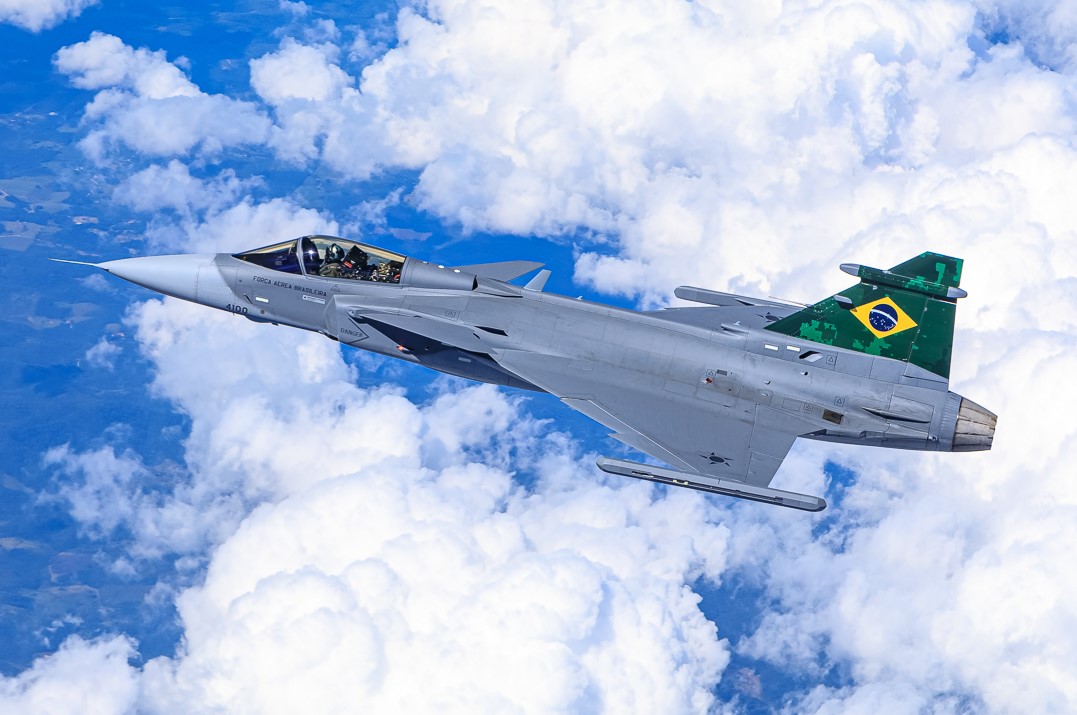
The Brazilian Air Force (Força Aérea Brasileira - FAB) is currently one of the most successful in South America. Its development reflects Brazil's goals over the years: modernization, sovereignty, and technological independence. FAB's history is also inextricably linked to Embraer, the national aviation company that has transformed both the Brazilian military and industrial landscapes. Today, Força Aérea Brasileira is a symbol of Brazil's sovereignty and ambition. From its origins during World War II to its current fleet of advanced Gripen and Embraer fighter jets, FAB has continually evolved to meet new challenges. The partnership with Embraer has played a key role in this journey, allowing Brazil not only to defend its airspace but also to develop one of the most dynamic aerospace sectors beyond the traditional Western powers. Together, FAB and Embraer represent a powerful expression of Brazil's technological potential, industrial strength, and relentless pursuit of strategic independence.
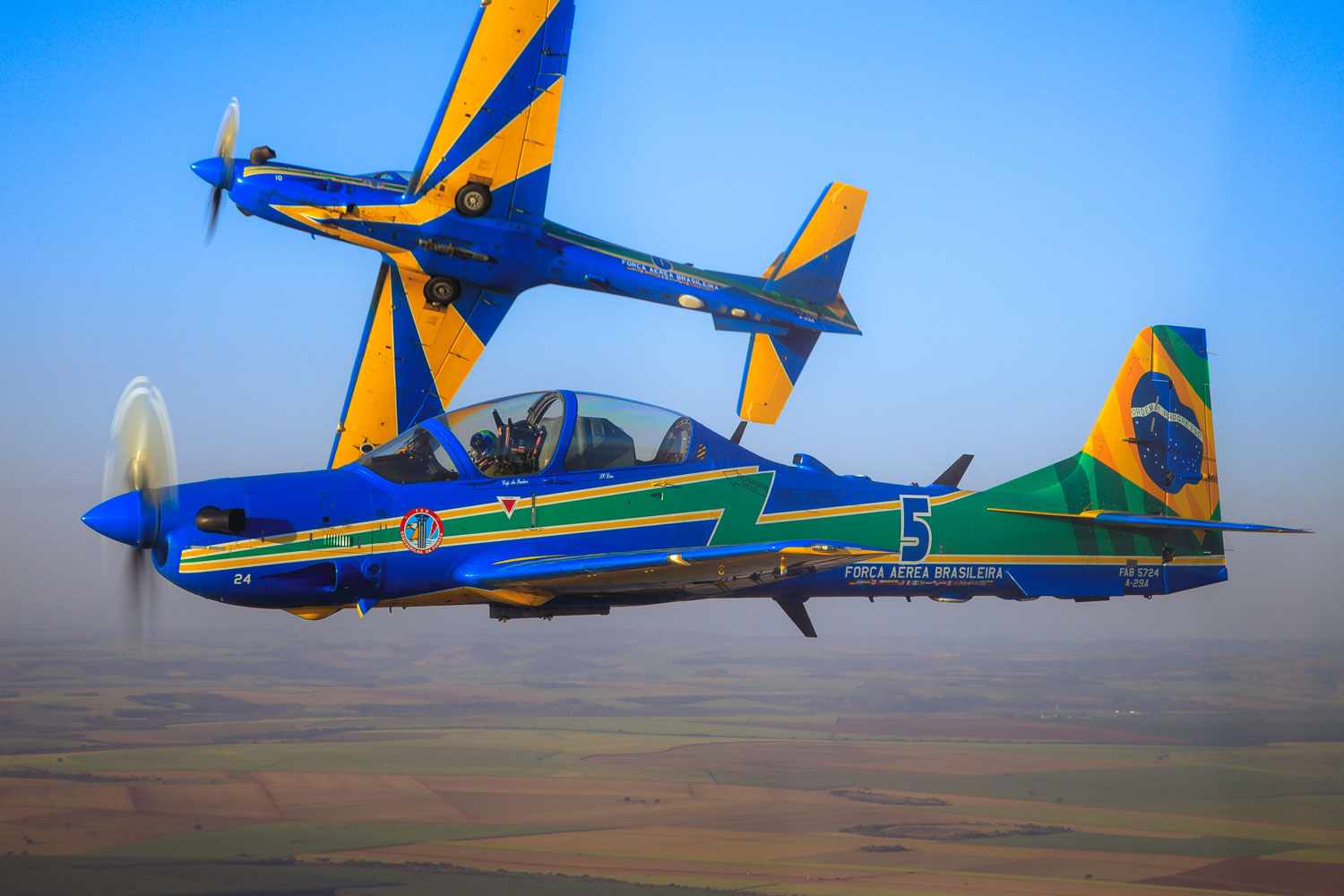
Photo: Johnson Barros, Força Aérea Brasileira
History
In 1940, World War II began to rapidly spread to other continents. Aware of this expansion, the Brazilian government decided to centralize the air force, previously divided between the army and navy, under a single command. Thus, on January 20, 1941, the Ministry of Aeronautics was established under the leadership of Joaquim Pedro Salgado Filho.
World War II marked the FAB's combat debut. After Brazil joined the Allies in 1942, the 1st Fighter Aviation Group (1º Grupo de Aviação de Caça) was formed and trained in the United States, flying P-47 Thunderbolts in Italy as part of the Brazilian Expeditionary Force.
After the war, Brazil entered the jet age, introducing aircraft like the British Gloster Meteor in the 1950s. During the Cold War, the FAB strengthened ties with the United States, operating aircraft such as the F-80 Shooting Star, F-5 Tiger II, and B-26 Invader. However, the government's desire for self-sufficiency in defense technology led to the establishment of Embraer (Empresa Brasileira de Aeronáutica S.A.) in 1969. This company became a key step toward reducing foreign dependence and developing the country's aerospace capabilities.
During the 1970s and 1980s, the FAB's mission expanded beyond traditional air defense. The force became increasingly involved in national development projects, particularly in the Amazon region, where it provided logistical support, transportation, and surveillance. In the 1990s, these activities culminated in the SIVAM (Amazon Surveillance System) project, which utilized advanced radar and aircraft systems to monitor vast and remote territories, strengthening Brazil's control of the Amazon basin.
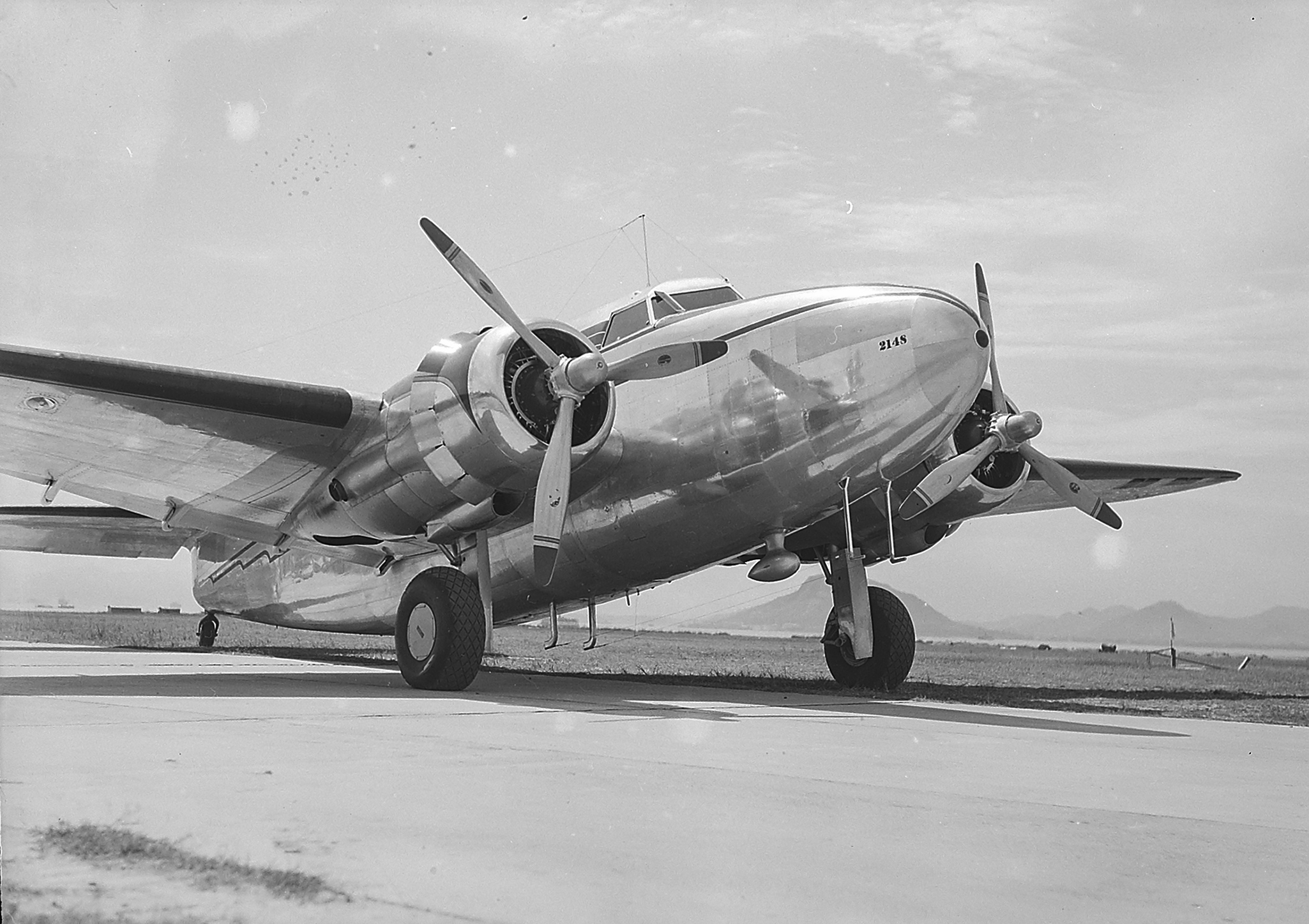
Photo: Public domain
Brazilian Air Force Currently
In the 21st century, the FAB has evolved into a technologically advanced and multi-role air force capable of operating across Brazil's vast territory and in diverse environments. With over 70,000 active personnel and a fleet of approximately 650 aircraft, the FAB is the largest and most modern air force in Latin America. Its responsibilities include air defense, strategic transport, border surveillance, search and rescue, and space operations.
Modernization has been a key focus in recent decades. The introduction of the Saab F-39E/F Gripen-36 aircraft ordered under a $5.4 billion program built in partnership with Sweden's Saab and assembled locally by Embraer—marks a new era for Brazilian air defense, combining cutting-edge capabilities with industrial cooperation. Ten aircrafts have already been delivered (including one test aircraft), and final assembly of the Brazilian units by Embraer at Gavião Peixoto is scheduled to begin in late 2025. Deliveries will continue until 2032, gradually replacing the older F-5EM and AMX A-1 fighters.
In tactical transport, the Embraer KC-390 Millennium replaced the aging C-130 Hercules fleet, providing a nationally competitive platform. FAB has ordered 19 KC-390s, seven of which are in service, with the rest scheduled for delivery by 2034. Capable of transporting 26 tons of cargo, providing air-to-air refueling, and supporting humanitarian and disaster relief missions, the KC-390 has become a symbol of Brazil's independence in aerospace and is enjoying increasing success in export markets. The A-29 Super Tucano, another Embraer design, serves as both a trainer and a light attack aircraft. Approximately 60 aircraft are in service, and 68 of them are being upgraded to the new A-29M standard, featuring advanced avionics, data links, and structural improvements. The A-29 has also enjoyed significant export success and is operated by over 15 countries, including the United States, Colombia, and Portugal. In tactical transport, the Embraer KC-390 Millennium replaced the aging C-130 Hercules fleet, providing a competitive domestic platform. FAB has ordered 19 KC-390s, seven of which are in service, with the rest scheduled for delivery by 2034. Capable of transporting 26 tons of cargo, providing air-to-air refueling, and supporting humanitarian and disaster relief missions, the KC-390 has become a symbol of Brazil's independence in aerospace and is enjoying increasing success in export markets. The A-29 Super Tucano, another Embraer design, serves as both a trainer and a light attack aircraft. Approximately 60 aircraft are in service, with 68 of them being upgraded to the new A-29M standard, which features advanced avionics, data links, and structural improvements. The A-29 has also enjoyed significant export success and is operated by more than 15 countries, including the United States, Colombia, and Portugal.
For surveillance and command missions, Embraer E-99 and R-99 aircraft, based on the ERJ-145 regional jet, provide the airborne radar coverage essential for the SIVAM system. These aircraft, supported by ground-based radar stations, provide comprehensive monitoring of Brazil's 16,000-kilometer border and the vast airspace of the Amazon, playing a key role in counter-narcotics and environmental protection missions.
Operationally, the FAB falls under the Ministry of Defense and maintains major bases, including those in Anápolis, Santa Cruz, Canoas, and Manaus. Beyond aviation, the FAB plays an increasingly important role in Brazilian space activities, collaborating with the Brazilian Space Agency (AEB) and overseeing the Alcântara Launch Center, one of the most strategically located spaceports in the world. Its current strategic priorities include defending the country's airspace, supporting humanitarian operations, contributing to UN peacekeeping missions, and strengthening Brazil's technological independence through innovation.
Helicopters play a crucial role in FAB operations, especially in vast and difficult-to-access areas of the country, such as the Amazon, which covers more than five million square kilometers. The helicopter fleet consists of approximately 90 helicopters of various types, adapted for transport, rescue, and surveillance missions.
These include the H-36 Caracal (EC725), the H-60L Black Hawk, the H-50 Esquilo (AS350), and the H-34 Super Puma. The state-of-the-art H-36 Caracal, locally manufactured by Helibras in partnership with Airbus Helicopters, forms the backbone of the FAB's transport and rescue capabilities. The Air Force operates sixteen of these helicopters, capable of transporting 27 troops or a payload of up to 5.5 tons. The Black Hawks, also numbering around sixteen, support humanitarian, search and rescue, and evacuation operations, while more than thirty light Esquilo helicopters are used for pilot training, border patrol, and reconnaissance missions.
Thanks to investments in domestic production and the modernization of the Helibras plant in Itajubá, Brazil maintains a high level of technological independence and the ability to provide long-term support for its existing aircraft.
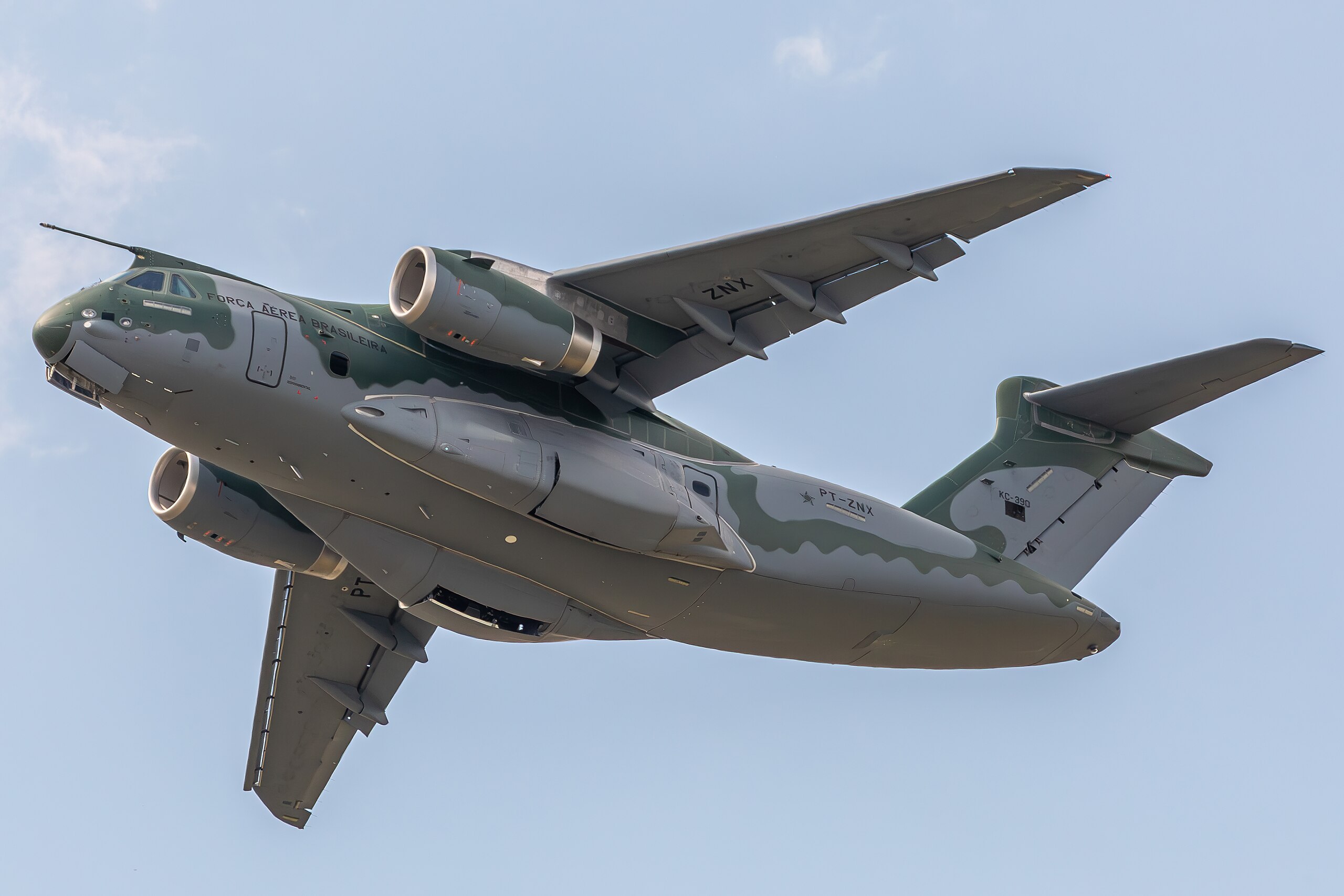
Photo: Matii Blume
Embraer's Role and Influence
Embraer's trajectory is closely linked to that of FAB. Founded in 1969 as a state-backed company, Embraer aimed to provide Brazil with an independent aviation and space industry. From the outset, it has worked closely with the Air Force- not only as an aircraft supplier but also as a partner in research, development, and pilot training.
Embraer's early success came with the EMB 312 Tucano, a revolutionary trainer that became one of the most exported aircraft in its class. The company then introduced the A-29 Super Tucano, a versatile light attack and trainer aircraft used by numerous air forces around the world. The company also developed the ERJ-145-based E-99 for airborne early warning and the R-99 for reconnaissance, both of which are integral to FAB's surveillance efforts in the Amazon.
Perhaps the most emblematic achievement of Embraer's military partnership with FAB is the KC-390 Millennium, a multi-role transport aircraft capable of refueling, cargo transport, and humanitarian operations. Competing directly with the C-130J, the KC-390 represents Brazil's leap into the high-performance military aircraft market and embodies the country's potential for advanced aerospace engineering.
Moreover, Embraer's involvement in the Gripen E/F program further deepens its influence. Through its partnership with Saab, Embraer assembles and integrates systems locally, providing Brazilian engineers with significant technology and expertise transfer. This not only modernizes the FAB but also strengthens Brazil's position as a global player in the aerospace sector.
For decades, Embraer has helped Brazil transform from an aircraft importer into one of the world's leading aerospace nations. Its success has created an ecosystem of suppliers, engineers, and research centers that foster innovation in both military and civilian aviation.
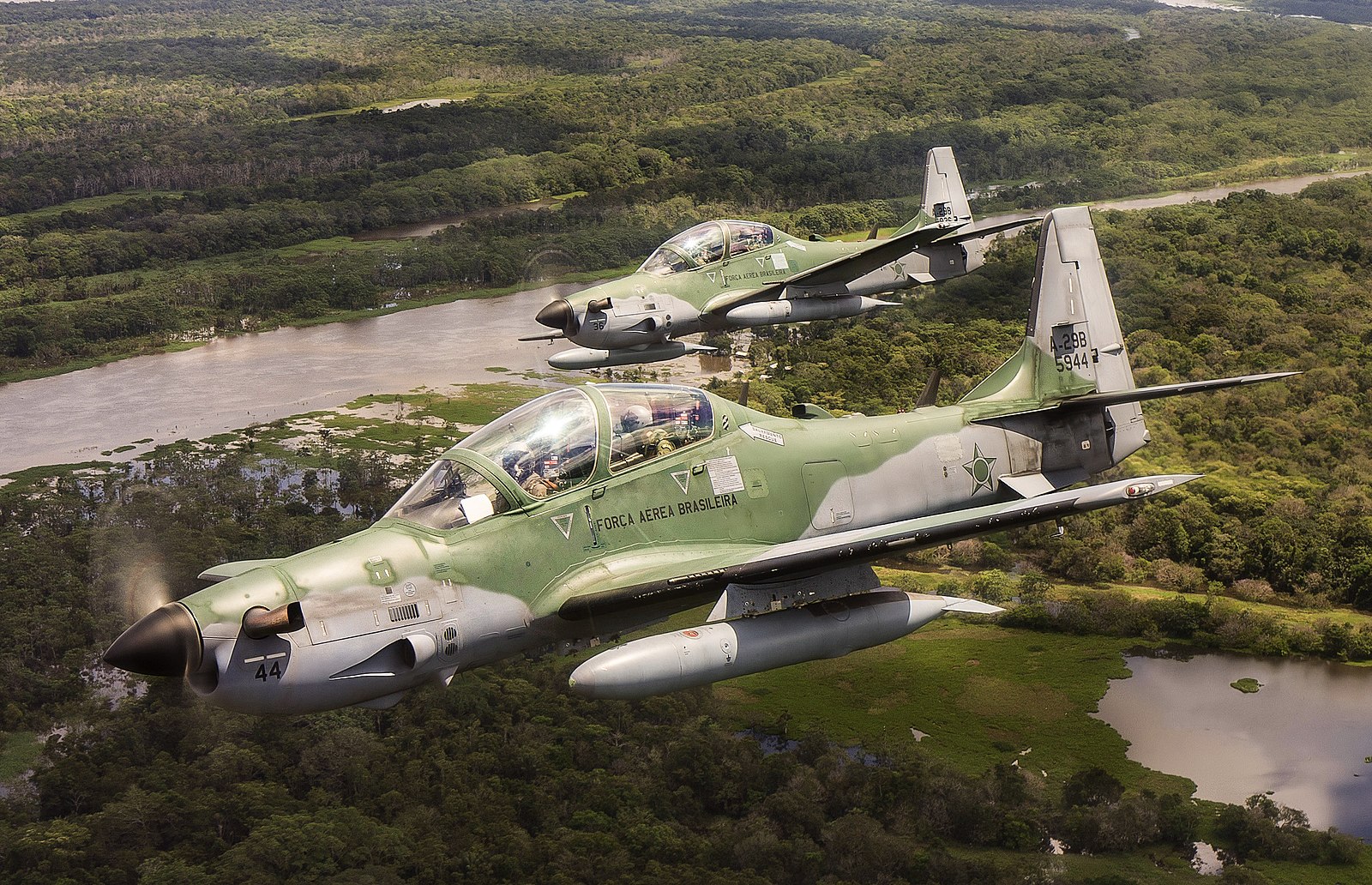
Photo: Johnson Barros, Força Aérea Brasileira
Photo: Força Aérea Brasileira
This article was prepared as part of the public task commissioned under the Government Programme for the Development of Civic Organizations 2018–2030: “Safe Poland of Tomorrow – strengthening the mission-driven activities of the Alioth Foundation.”
