
The following analysis examines the strategic rationale behind Poland’s Orka submarine programe - one of the most significant modernization efforts within the Polish Armed Forces. The first part of this report outlines the evolution of the program, the challenges shaping its implementation, and the initial range of foreign proposals submitted for consideration by the Armament Agency.
The ongoing aggression by the Russian Federation against Ukraine, coupled with a substantial increase in Poland’s defense expenditures, has catalyzed the acceleration and revitalization of critical modernization initiatives within the Polish Armed Forces. Among these, the Orka program stands out as a pivotal effort to procure advanced submarines for the Polish Navy, reinforcing the nation’s maritime defense capabilities.
Historically, the high costs associated with the Orka program, combined with its focus on a naval branch not traditionally prioritized by policymakers, have posed challenges to its advancement. However, recent incidents affecting critical infrastructure in the Baltic Sea have underscored the indispensable role of modern submarines in safeguarding this vital maritime region. It is now clear that without such capabilities, ensuring robust security in these waters is unattainable.
This report transcends a mere technical evaluation of submarine specifications or a comparison of proposals from global manufacturers. It provides a comprehensive examination of the strategic challenges confronting Poland in the maritime domain, emphasizing that decisions made within the Orka program will profoundly influence national security.
The Alioth Foundation, through this report, aims to enrich the national discourse on fostering a resilient maritime security framework, which serves as a cornerstone of Poland’s long-term strategic interests. Given the evolving threats observed in the Baltic Sea and beyond, the acquisition of state-of-the-art submarines is not merely advantageous but imperative for the Polish Armed Forces. Moreover, prioritizing a procurement strategy that integrates Polish enterprises in both the construction and sustained maintenance of these vessels offers a unique opportunity to catalyze significant growth within the domestic shipbuilding industry, fostering economic and strategic benefits for the nation.
Factors Shaping the Acquisition of New Submarines
The procurement of new submarines represents a complex undertaking that necessitates a comprehensive, multidimensional evaluation. Key determinants influencing the decision-making process include operational and technical requirements, geopolitical and strategic considerations, and economic implications. Within the economic dimension, it is critical to consider not only the costs associated with acquisition and operational sustainment but also the potential economic advantages for Poland, which could yield a significant return on investment.
Equally important are the opportunities to advance the domestic industrial base through collaborative initiatives and integration into global supply chains, facilitating access to cutting-edge technologies.
The foremost operational and technical priority in procuring new submarines is ensuring their suitability for the specific maritime environments in which they will operate. This includes adapting to the unique characteristics of deployment areas, addressing threats posed by potential adversaries, and fulfilling a diverse array of missions in both national and allied contexts. Irrespective of the operational theater, these submarines must demonstrate robust capabilities to function effectively in contested waters saturated with hostile forces and countermeasures, while seamlessly executing a broad spectrum of tasks in a rapidly changing strategic landscape.
The Baltic Sea, as the primary maritime theater for Poland’s potential defensive operations, presents a uniquely demanding environment for submarine operations. Its shallow average depth of 52.3 meters significantly restricts the maneuverability of such vessels. Furthermore, the region lies within the operational reach of adversaries’ anti-submarine warfare (ASW) aviation, necessitating advanced stealth capabilities. Modern submarines equipped with air-independent propulsion (AIP) systems and cutting-edge battery technologies, such as lithium-ion batteries, are essential to achieve superior stealth and operational effectiveness in this challenging domain.
The Baltic Sea’s natural conditions substantially hinder the efficacy of anti-submarine warfare operations. Variations in salinity and temperature across different depths disrupt acoustic wave propagation, complicating detection efforts. Additionally, seasonal challenges, including strong winds, storms, and occasional ice formation despite ongoing climate changes, further impede ASW activities. These environmental factors affect both friendly and adversary forces, reinforcing the strategic advantage of submarines, which remain the most effective tool for countering enemy submarines in this complex maritime theater.
To ensure operational resilience, Poland requires a minimum of three advanced submarines. This number guarantees that at least one vessel remains fully operational at all times, while others undergo maintenance, repairs, or crew training. These submarines must incorporate state-of-the-art technologies with significant potential for future upgrades, enabling them to counter both current and emerging threats effectively.
The submarines must be highly versatile, capable of operating seamlessly in the confined waters of the Baltic Sea as well as in the broader open waters surrounding Europe. They should be equipped to execute a wide range of missions during both peacetime and wartime, including surveillance of maritime traffic and critical infrastructure, reconnaissance, collaboration with special forces, neutralization of enemy submarines and surface vessels, and, where feasible, engagement of land and air targets. This multifaceted capability ensures their strategic relevance across diverse operational scenarios.
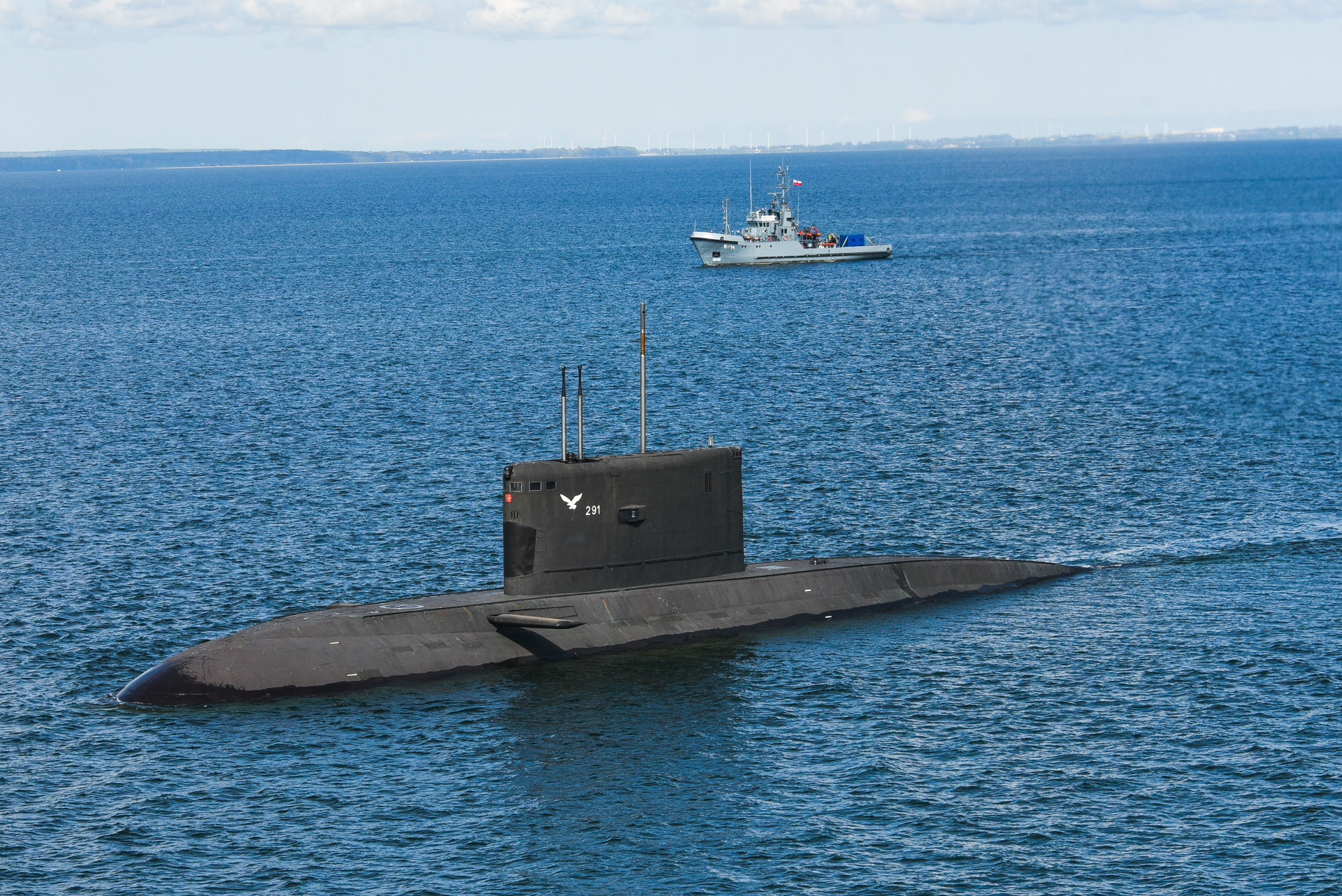
Zdjęcie: kmdr ppor. Radosław Pioch | DGRSZ
The Orka Program: New-Type Submarine (OPNT – Okręt Podwodny Nowego Typu)
The Orka program, spanning several decades, has experienced a tumultuous trajectory characterized by intermittent bursts of progress followed by extended periods of stagnation,
resembling the dramatic ebbs and flows of a serialized narrative. Consequently, the critical task of procuring modern submarines for the Polish Navy remains unfulfilled, a challenge that has persisted since the dissolution of the Soviet Union and Poland’s reestablishment of full sovereignty over three decades ago.
Upon entering a new geopolitical era, the Polish Navy inherited three submarines of Soviet origin. Of these, only ORP Orzeł, a Project 877E (Kilo)-class vessel commissioned in 1986, was newly constructed. The other two, ORP Wilk and ORP Dzik, both Project 641 (Foxtrot)-class submarines commissioned between 1987 and 1988, were former Soviet fleet assets, underscoring the dated and limited capabilities of Poland’s initial submarine force.
Owing to their advanced age and prolonged operational use, the Project 641 (Foxtrot)-class submarines were decommissioned in 2003. In their place, the Polish Navy acquired four Norwegian Type 207 (Kobben)-class submarines, ORP Sokół, ORP Sęp, ORP Bielik, and ORP Kondor, commissioned between 2002 and 2004. Despite being of a similar vintage to the Foxtrots, these vessels had undergone modernisation, enabling continued serviceability. However, their procurement was conceived as an interim solution to sustain the operational capacity of the Polish Navy’s Submarine Squadron pending the acquisition of advanced submarines through the Orka program.
The Orka program was formally integrated into the “Technical Modernisation Plan of the Polish Armed Forces for 2013–2022” (PMT 2013–2022), outlining a strategic initiative to procure three submarines to be built in Polish shipyards through technology transfer agreements. Initially, the plan projected the signing of a contract in 2013, with the delivery of the first two submarines by 2022 and the third by 2030, aiming to bolster the Polish Navy’s operational capabilities.
In 2014, the program’s specifications were revised to include the requirement that the submarines be capable of deploying cruise missiles, prompting a significant reevaluation of the vessels’ technical requirements. By March 2015, Poland formally initiated inquiries to France and the United States to assess the availability of such missile systems. To enhance efficiency, the decision was made to bifurcate the procurement process into two distinct procedures: one dedicated to acquiring the submarines and another focused on securing compatible cruise missile armaments.
In 2017, the Orka program advanced through negotiations with three prospective suppliers: France’s Naval Group, proposing Scorpène-class submarines; Germany’s thyssenkrupp Marine Systems, offering Type 212CD-class vessels; and Sweden’s Saab Kockums, presenting A26-class submarines. A decision on the preferred supplier was anticipated in early 2018. However, following a ministerial transition in January 2018, when Mariusz Błaszczak succeeded Antoni Macierewicz as Minister of Defense, the submarine acquisition process reverted to an analytical and conceptual phase, a setback that persisted for over five years, delaying critical modernization efforts.
In 2019, discussions explored the potential lease or purchase of one or two Swedish A17 (Södermanland)-class submarines as an interim measure, which could have deferred the procurement of new submarines by up to a decade. However, the prohibitive costs of this
approach rendered it unfeasible. Consequently, between 2017 and 2021, the aging Kobben-class submarines were decommissioned, leaving the Polish Navy without operational replacements and underscoring the urgency of advancing the Orka program.
The Polish Navy’s submarine fleet has been reduced to a single, outdated vessel, ORP Orzeł, which, due to its degraded technical condition, is now limited to serving as a training platform with restricted functionality. Despite its inclusion in the Technical Modernisation Plans for 2017–2026 and 2021–2035, the Orka program remained stalled until May 2023, when the Minister of Defence announced the initiation of a new procurement procedure to acquire modern submarines, marking a significant step toward addressing the Navy’s critical capability gap
This development enabled the Armaments Agency (AU) to launch preliminary market consultations, inviting global shipbuilding companies to submit proposals for conventional submarines. The response was robust, with nearly all major shipbuilding firms capable of delivering such solutions participating, including France’s Naval Group, Spain’s Navantia, Italy’s Fincantieri, Germany’s Thyssenkrupp Marine Systems, Sweden’s Saab Kockums, and South Korea’s HD Hyundai Heavy Industries and Hanwha Ocean, reflecting strong international interest in meeting Poland’s maritime defence requirements.
As a result of the evaluation of proposals submitted within the framework of the preliminary market consultations, the Armament Agency ranked the submissions originating, listed in alphabetical order, from Germany, Sweden, and Italy. At the same time, in its official statement, the Agency emphasised that none of the remaining proposals had been excluded from further consideration.
It is particularly significant in this context that, at Poland’s request, the maritime domain was incorporated into the European Union’s Security Action for Europe (SAFE) instrument. Deputy Prime Minister Władysław Kosiniak-Kamysz announced that this provision would make it possible to finance, among other initiatives, the Orka program, while the contract for the procurement of new submarines would take the form of an intergovernmental agreement rather than a purely commercial transaction. Consequently, there is a strong likelihood that the supplier of Poland’s new submarines will finally be determined.
Each company participating in the Orka program not only offers its submarine platforms but also comprehensive solutions covering crew training, logistical and operational support throughout the vessels’ entire service life, as well as potential modernisation. While construction is expected to take place in the suppliers’ home countries, all bidders have declared the prospect of enabling future maintenance in Poland. Equally critical is the involvement of the Polish defence industry in the execution of the contract, through the integration of domestic companies into the supply chain. For this reason, it is worth examining more closely the proposals of the individual contenders, which are presented here in alphabetical order.
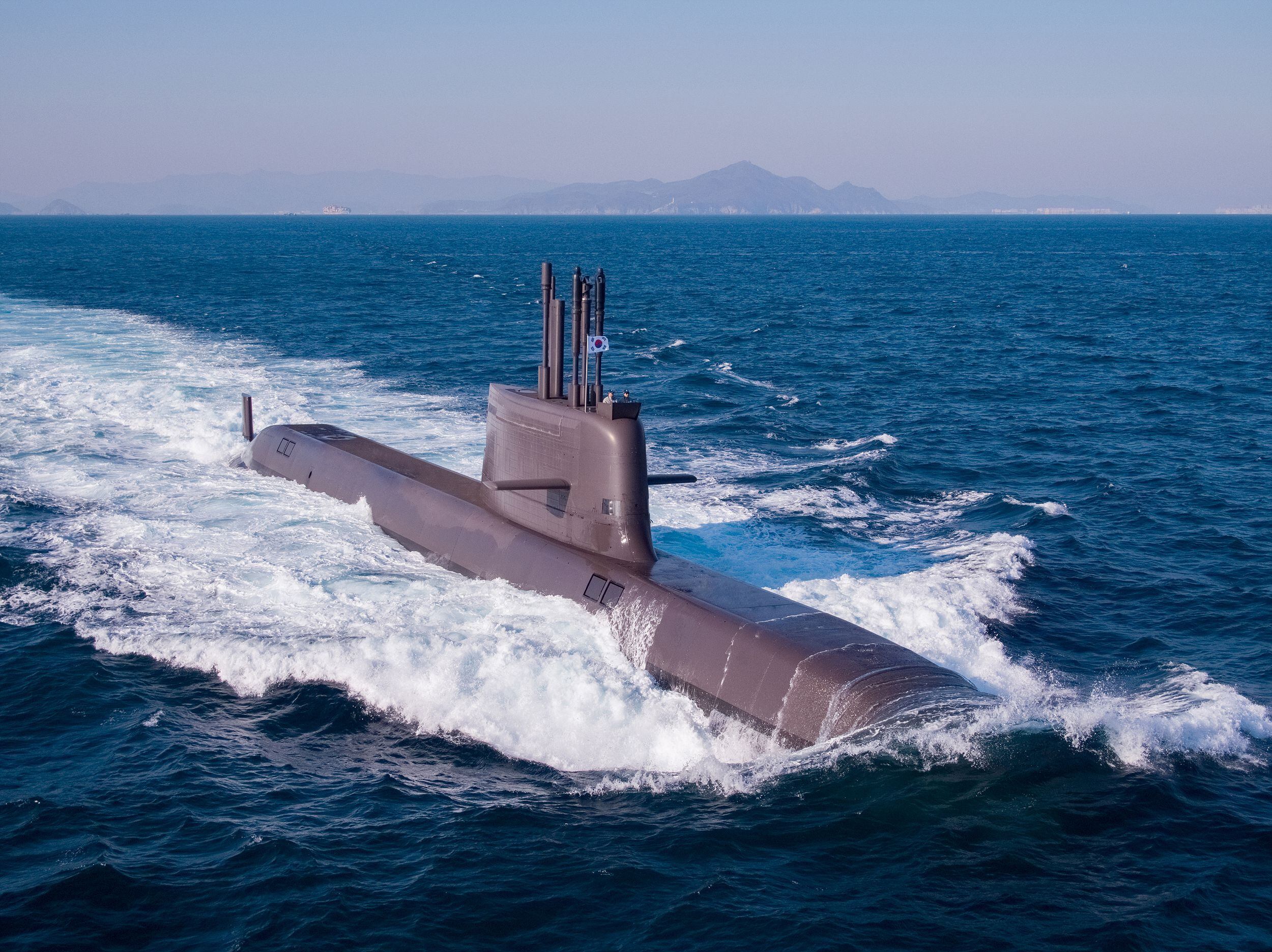
Zdjęcie: Hanwha Ocean
Hanwha Ocean
As mentioned at the outset, two South Korean companies, Hanwha Ocean and HD Hyundai Heavy Industries, took part in the market consultations. The former proposed the KSS-III Batch 2 submarines, currently under construction for the Republic of Korea Navy, while the latter presented concepts limited to the design phase: the HDS-2300 and the KSS-III PL, the latter being an adaptation of the KSS-III Batch 1 submarine tailored to Poland’s operational requirements.
As a consequence of the agreement signed on 25 February this year between Hanwha Ocean and HD Hyundai Heavy Industries concerning cooperation in the construction of naval vessels for export, Hanwha Ocean has remained an active bidder in the Orka program, while HD Hyundai Heavy Industries has assumed the role of its partner, withdrawing from independent participation. This development should be regarded as a pragmatic move aimed at avoiding internal competition.
Under the contracts signed to date, Hanwha Ocean is to deliver three KSS-III Batch 2 submarines to the Republic of Korea Navy, all of which are already under construction. According to current schedules, these units are to be handed over between 2027 and 2031. There have been no reports thus far of plans to order additional submarines of this class. A more likely scenario is the construction of another series of three vessels, but in the upgraded KSS-III Batch 3 variant. This explains the company’s pronounced interest in securing export contracts for submarines currently on the production line.
The distinguishing feature of the KSS-III Batch 2 class lies in its exceptionally robust armament, consisting primarily of ten vertical launching system (VLS) cells designed to fire, from submerged positions, Hyunmoo 4-4 ballistic missiles equipped with conventional warheads for land-attack missions. In addition, these submarines are capable of deploying K731 Baeksange torpedoes, SSK-700K Kaeseong III anti-ship missiles, and Chonryong cruise missiles, which can be launched from the same VLS cells as the ballistic missiles.
A defining characteristic of these vessels is undoubtedly their air-independent propulsion (AIP) system, which combines fuel cells with lithium-ion batteries, enabling submerged operations for more than three weeks. This capability translates into enhanced operational performance and significantly greater platform autonomy.
The South Korean offer also includes a so-called interim solution, entailing the provision to the Polish Navy of a submarine for operational and training use until the first of the new vessels is delivered. With the support of its government, Hanwha Ocean has proposed leasing to Poland one Jang Bogo-class (KSS-I) submarine, units originally constructed under German license as Type 209/1200. The Republic of Korea Navy currently operates nine such submarines, as well as nine additional Type 214 (KSS-II) submarines, also built under German license. This allows the South Korean Navy to lease one unit to Poland without significant detriment to its own operational capabilities.
The principal strength of this bidder lies in its production capacity. According to Hanwha Ocean’s declarations, the company could deliver three KSS-III Batch 2 submarines within eight and a half years of contract signing. This accelerated timeline is made possible by its state-of-the-art submarine shipyard in Okpo, on Geoje Island, where extensive use of robotics and process automation is standard practice.
Alongside the submarines themselves and a comprehensive package of weapons systems, the South Korean side has also offered Poland a significant technology transfer to the domestic shipbuilding sector, coupled with industrial cooperation. A key element of this proposal is the commitment to grant Polish entities full Maintenance, Repair, and Overhaul (MRO) capabilities for the KSS-III Batch 2 submarines. These assurances, however, must be treated with caution, given both the disparities in technological capacities between Polish and South Korean industries and the geographical distance separating the partners. Ultimately, this cooperation could encounter unforeseen challenges linked to stretched supply chains or shifting geopolitical dynamics, including divergent perceptions of interests and threats.
In this regard, it should be noted that Hanwha Ocean has signed a cooperation agreement under the Orka program with the Polish Armaments Group (PGZ), and during MSPO 2024 in Kielce concluded a partnership agreement with WB Group. Furthermore, on 28 May of this year, during the MADEX 2025 exhibition in Busan, the South Korean shipbuilding group signed a strategic cooperation agreement with PGZ-owned shipyards, Nauta Shipyard and PGZ Naval Shipyard.
The Korean company has also declared its readiness to allocate USD 100 million toward the modernisation of Poland’s industrial infrastructure. This investment package would encompass workforce training, research and development projects, and the expansion of a network of local suppliers integrated into the supply chain for components of Poland’s future submarines.
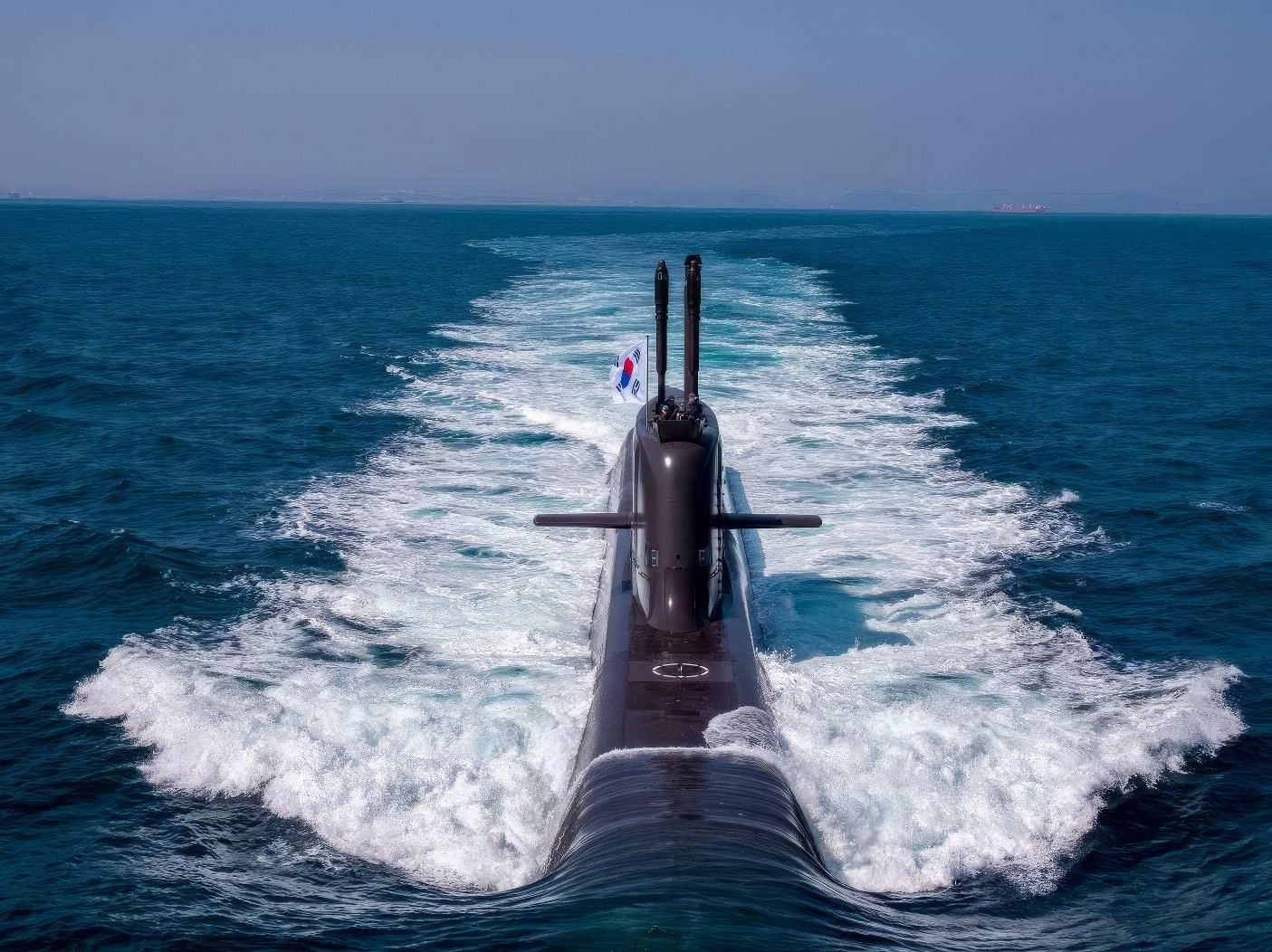
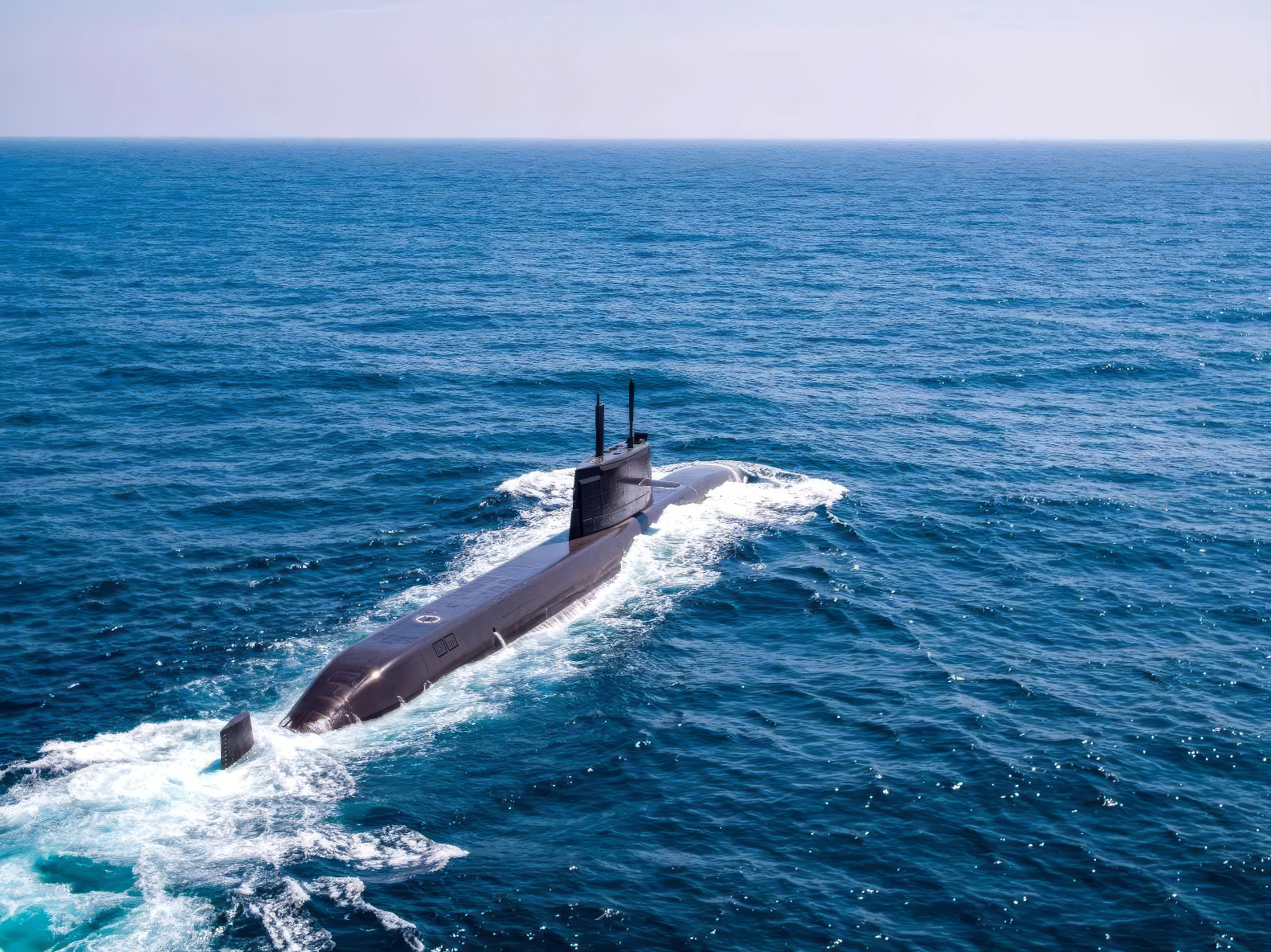
Zdjęcia: Defense Acquisition Program Administration (DAPA) | dapa.go.kr
Assessment of the South Korean Proposal
Advantages:
- Relatively short delivery timeframe for the submarines.
- Possibility of acquiring interim units.
- Declarations regarding the establishment of MRO capabilities in Poland and cooperation with the local defence industry.
Disadvantages:
- Among the largest conventional submarines in the world, designed primarily for operations in vast maritime areas with greater depths.
- Platforms tailored to highly specific South Korean operational requirements, not aligned with Poland's needs.
- Political instability in South Korea and the broader region, potentially affecting the execution of export contracts.
- The bidder is not a NATO member, raising uncertainty as to the provision or continuation of technical support in the event of conflict within a commercially based project.
- Incorporation of weapon systems unfamiliar to Poland and other NATO states (e.g., submarine-launched ballistic missiles with a range of 500 km).
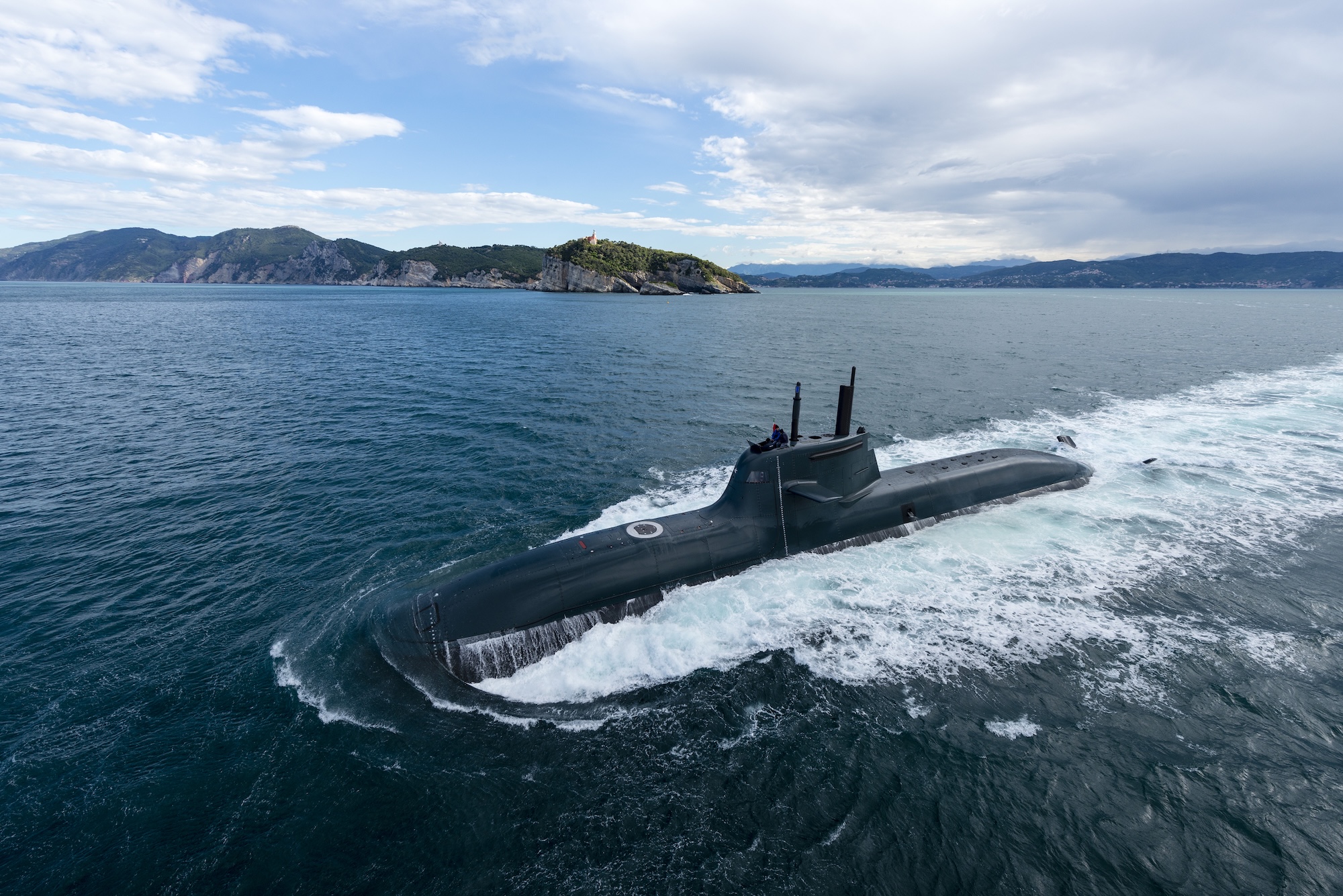
Zdjęcie: Fincantieri
Fincantieri
The Italian defense conglomerate Fincantieri, acting as both designer and prime contractor, has offered Poland the 212NFS (Near Future Submarine) class submarines, which are currently under construction for the Italian Navy (Marina Militare). These vessels represent an evolution of the 212A class submarines, which were built domestically but based on a design provided by the German company TKMS. Nevertheless, in the case of the 212NFS class, Fincantieri has succeeded in engaging Italy’s domestic supply chain, with key contributions from Leonardo (combat management system), L3Harris Calzoni (masts), and Elettronica (electronic warfare systems). According to current schedules, delivery of the Italian Navy’s new units is planned for 2029–2032.
The four 212NFS submarines are intended to replace the Nazario Sauro-class vessels (series III and IV). Their construction program has been divided into two phases. The first phase covers design development, procurement of two submarines along with technical and logistical support, as well as the establishment of a training center equipped with advanced simulators, expected to become operational in 2026, well before the submarines themselves enter service. The second phase envisions further refinement of the 212NFS design, including the integration of advanced lithium-ion batteries to enhance operational capabilities, along with the procurement of two additional submarines and associated support infrastructure.
According to the most recent Italian naval modernization plans, the next step will be the construction of two larger 212NFS EVO submarines (with displacement exceeding 2,000 tons) in 2030–2036. In these vessels, all major components will be sourced from Italian industry, thereby eliminating reliance on German suppliers. Moreover, the construction of these submarines will leverage technologies being developed for Italy’s entirely new submarine generation, NGS (Next Generation Submarine), scheduled for development between 2025 and 2040, intended to replace the 212A (Todaro) class.
The 212NFS submarines will feature a surfaced displacement of 1,550 tons and a submerged displacement approximately 200 tons greater. Thanks to their compact dimensions (length 58.35 m, pressure hull diameter 7.00 m) and X-configuration stern planes, they will be capable of maneuvering in shallow waters below 40 meters. At the same time, they remain suitable for blue-water operations, as demonstrated by the Italian Navy’s experience with the 212A class.
Their propulsion system, composed of an electric motor, diesel-driven generator, lithium-ion batteries, and a fuel-cell-based air-independent propulsion (AIP) system, ensures high operational flexibility. Particularly noteworthy is the period of “stealth endurance”, the time during which the submarine can remain submerged and recharge its batteries via AIP without resorting to snorkel operations. Although precise performance figures remain undisclosed, the manufacturer has indicated an underwater range exceeding 1,000 nautical miles at 4 knots.
Although the detailed terms of the Italian offer have not been made public, recent press reports outline its principal characteristics, which appear carefully aligned with Poland’s operational requirements. Economically, the proposal is framed to remain within the anticipated budget envelope.
Notably, the offer includes an interim solution: within one year of contract signing, the transfer of an Italian submarine currently in service. It remains unclear whether this would be a modernized Nazario Sauro (likely of the fourth series) or a more advanced 212A (Todaro) unit. Either option would provide the Polish Navy with a rapid, effective interim capability suited to both modernization and training needs.
In parallel, the final solution would proceed—the delivery of new 212NFS submarines according to a schedule tailored to the requirements of Poland’s Ministry of National Defence. Importantly, available reports suggest that one of the submarines currently under construction for the Italian Navy could be redirected to Poland, significantly accelerating delivery timelines.
This mechanism has become increasingly common in Italy’s naval exports, boosting competitiveness on the international market. For example, Italy previously redirected two FREMM-class frigates originally destined for its own navy to Egypt, and two PPA-class offshore patrol vessels to Indonesia. In both cases, the Italian Ministry of Defence ordered replacements in equal numbers, thereby maintaining long-term fleet strength.
The Italian proposal also encompasses a comprehensive support package, spanning crew training, induction of the vessels into service, and full technical and logistical support throughout their life cycle. Direct participation of Polish companies in contract execution is envisaged, enabling the establishment of a domestic support base.
Naturally, the offer also includes armament. The primary weapon system of the submarines proposed for Poland will be heavy, wire-guided Black Shark Advanced electric torpedoes, produced by WASS Submarine Systems, a Fincantieri subsidiary. These will be launched from six torpedo tubes. Additional armaments, including mines, are also part of the package.
The 212NFS class has been designed with the capability to integrate long-range cruise missiles, reflecting requirements expressed by the Italian Navy. Among the options considered by Italy are the French MdCN (Missile de Croisière Naval), though there is no indication that these are included in the offer to Poland.
Available information further suggests that the Polish Ministry of National Defence has emphasised the need for these submarines to support operations involving special forces, including the carriage of swimmer delivery vehicles (SDVs). In this context, two Italian companies, DRASS and M23, have expressed readiness to provide relevant solutions.
A crucial element of the Italian proposal is the involvement of the Marina Militare in the induction and operational support of the new submarines for the Polish Navy. Sharing the same platform would significantly enhance NATO interoperability, streamline joint training and logistics, and shorten overall delivery timelines.
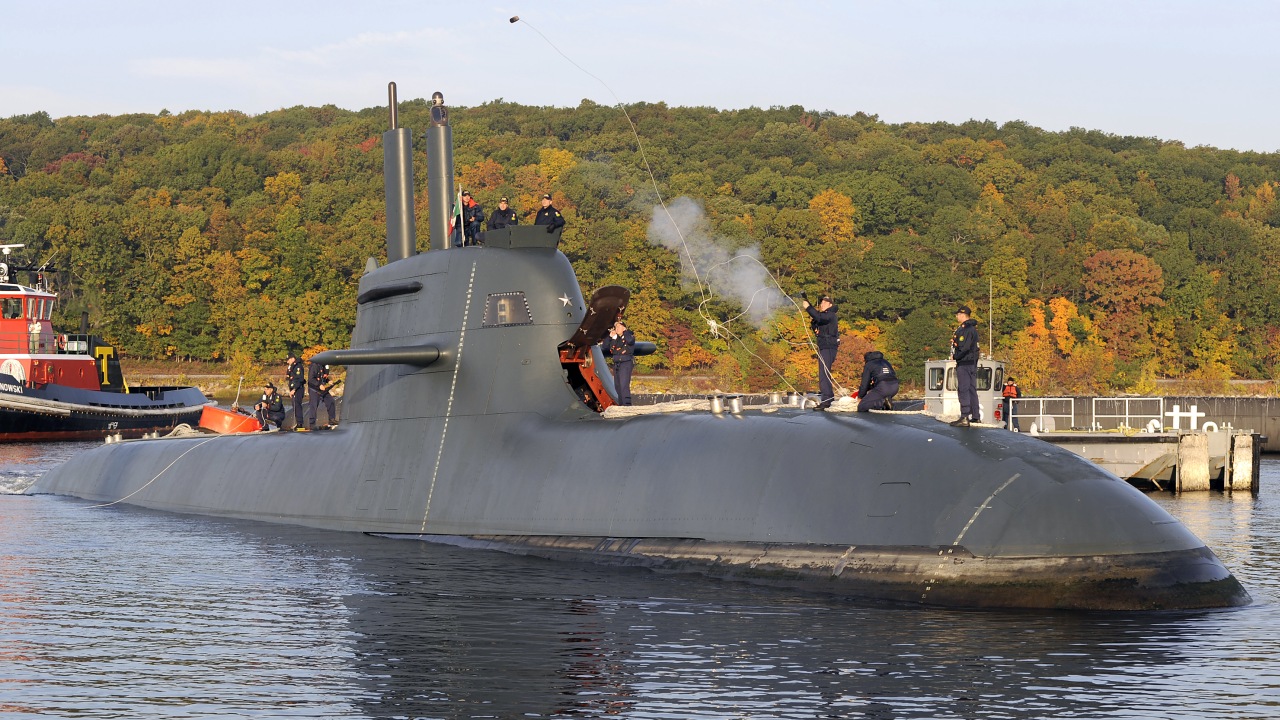
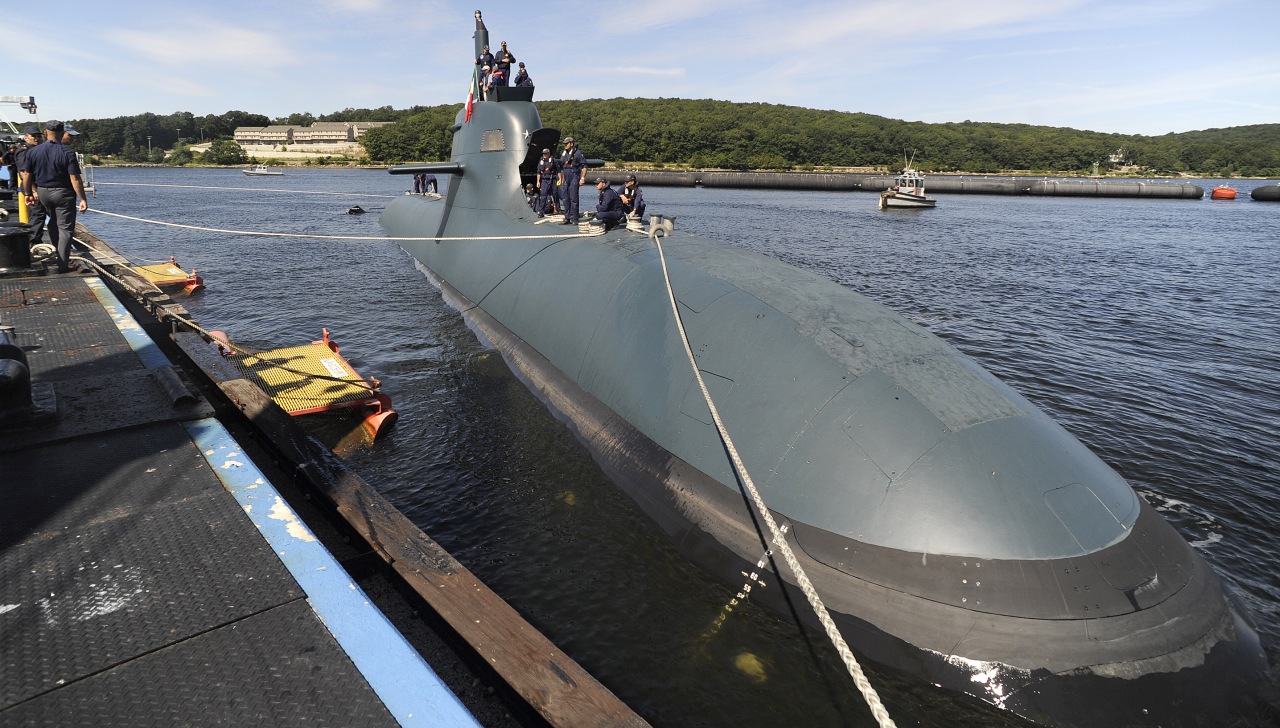
Zdjęcia: US Navy | John Narewski
Assessment of the Italian Proposal
Advantages:
- Modern submarines under construction for one of NATO’s key member states, equipped with AIP systems and lithium-ion batteries.
- Possibility of providing an interim unit as well as the potential sale of one submarine currently being built for the Marina Militare.
- A versatile platform capable of operating effectively both in shallow waters and in deep-sea/oceanic environments, featuring reduced physical signatures and a comprehensive suite of advanced sensors.
- Adapted for cooperation with special forces operators, including the transport of swimmer delivery vehicles (SDVs).
- A pressure hull made of austenitic (non-magnetic) steel and an external fluoropolymer coating designed to reduce biofouling, thereby decreasing drag and noise levels during operations.
- Fincantieri’s pursuit of securing its first export contract for submarines, creating an opportunity for Poland to negotiate highly favorable terms.
- Existing track record of cooperation between Polish and Italian defense industries, along with positive assessments of military equipment acquired from Italy, auguring well for long-term support in the operation of new submarines.
Disadvantages:
- Requirement to obtain approval from TKMS (a competitor in the Orka program) for the export of solutions originally derived from the licensed 212A submarines.
- In cases where TKMS-supplied systems and components must be replaced, Italian substitutes are being developed, but their integration could result in delays due to the need for adaptation.
- Absence of a final decision regarding missile armament which may necessitate future integration efforts and the incurrence of additional costs.
Author: Andrzej Nitka
The analysis presented so far highlights both the strategic importance of the Orka program and the strengths and limitations of the South Korean and Italian proposals. Yet the European competition for Poland’s future submarines extends far beyond these initial contenders. The second part of the report continues with a closer look at the remaining European offers - from France, Spain, Sweden, and Germany - and concludes with a comparative assessment and final recommendations.
Download our publication in Polish.
This article was prepared as part of the public task commissioned under the Government Programme for the Development of Civic Organizations 2018–2030: “Safe Poland of Tomorrow – strengthening the mission-driven activities of the Alioth Foundation.”
