
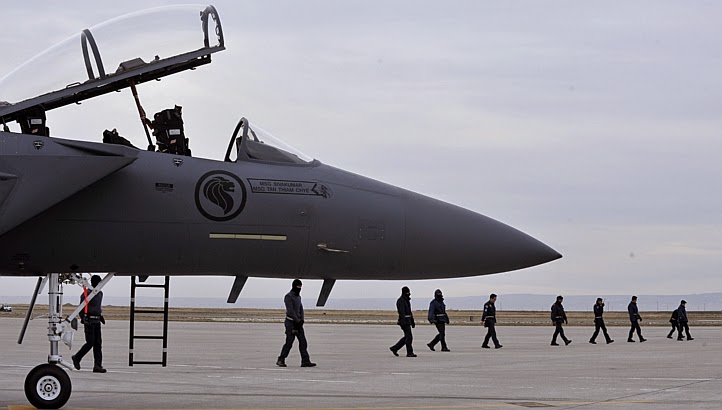
The Republic of Singapore Air Force (RSAF) is today one of the most advanced, well-trained, and technologically advanced air forces in the Asia-Pacific region. Their history is relatively short compared to many others, but their development has been nothing short of remarkable – reflecting Singapore's determination to build a self-sufficient and efficient defence force after independence.
Beginnings and formation
The origins of the RSAF date back to September 1, 1968, when the Singapore Air Defence Command (SADC) was established. This was a direct response to Britain's decision to withdraw its military presence from Singapore by 1971, which presented the young nation with an urgent need to create its own defense forces. In its early days, SADC had virtually nothing: no aircraft, no radars, no trained personnel. The newly formed command began its operations with only two Cessna 172K light aircraft, leased from the Singapore Aero Club, used mainly for training and familiarization of pilots.
At the beginning of the 70s. Singapore acquired its first jet aircraft, the BAC Strikemaster and later the Hawker Hunter, both used for training and basic air defense tasks. The country also began to create helicopter squadrons, using the Aérospatiale Alouette III, which played a key role in pilot training, liaison missions, and search and rescue missions.
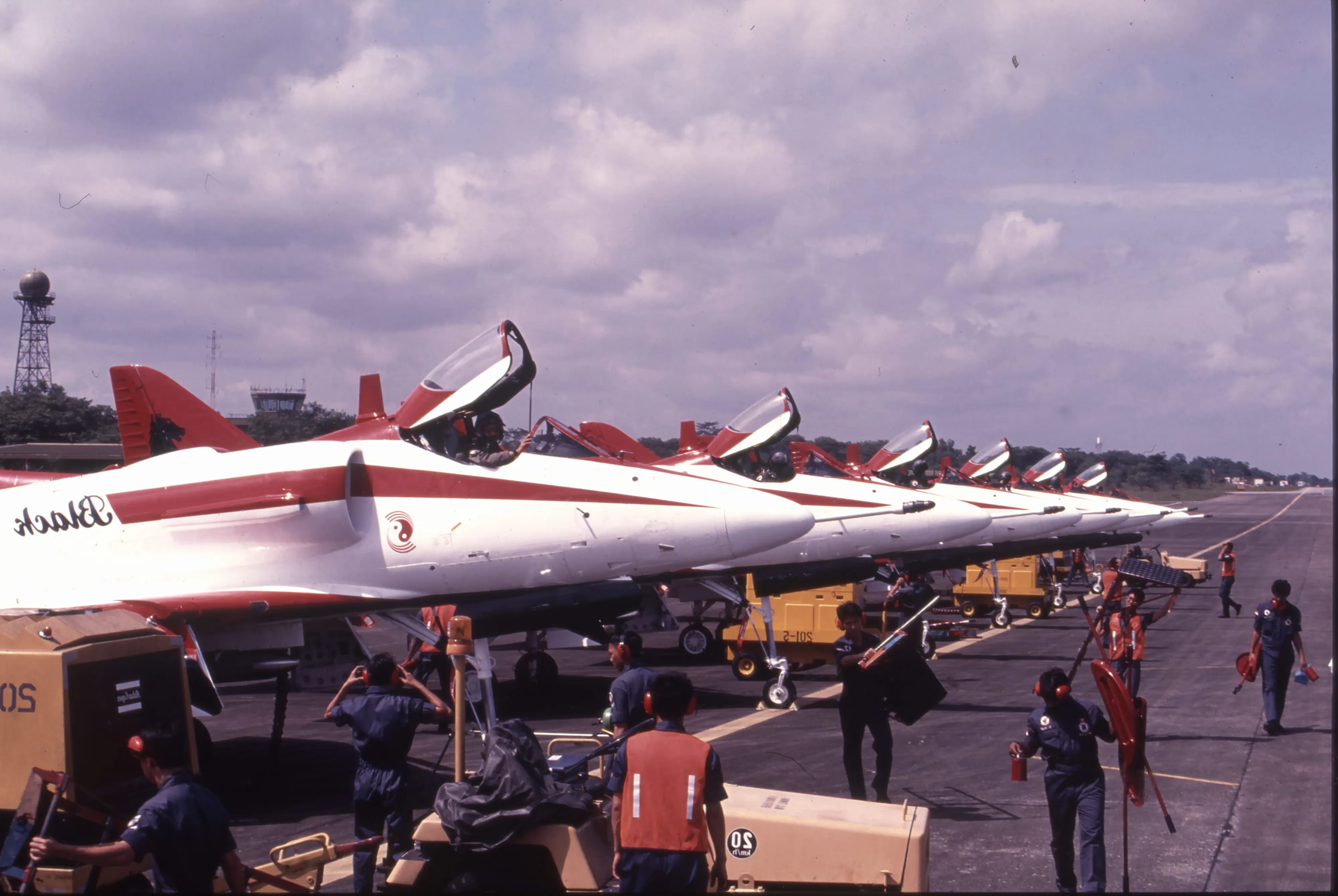
Photo: Republic of Singapore Air Force (RSAF)
In April 1975, SADC was formally renamed the Republic of Singapore Air Force (RSAF), marking its evolution into the core of the Singapore Armed Forces (SAF). The 1970s and 1980s were decades of consolidation and expansion. The RSAF introduced radar-guided air defense systems, surface-to-air missile units, and a variety of aircraft, which significantly increased operational flexibility.
Modernization and expansion
Since the 1980s, the RSAF has rapidly modernized its arsenal. One of the most important acquisitions was the Northrop F-5E Tiger II, which became Singapore's first supersonic fighter. The F-5s have been the backbone of Singapore's air defenses for decades and have been modernized locally, equipping them with advanced avionics and radars as part of the F-5S/T Tiger II program.
At the beginning of the 90s. Singapore began to look for even more advanced aircraft, which led to the introduction of the General Dynamics F-16 Fighting Falcon fighters. In the mid-1990s and early 2000s, RSAF acquired about 60 F-16C/D Block 52/52+ aircraft, providing the Air Force with a significant leap in range, precision strike capability, and all-weather prowess. These aircraft remain a staple of the RSAF fighter fleet to this day, supported by an approximately $1.1 billion modernization program that includes new radars, navigation systems, and precision weapons integration.
Another major milestone was the acquisition of the Boeing F-15SG Strike Eagle, a twin-engine multirole fighter optimized for long-range precision attack and air superiority. Singapore ordered 40 F-15SGs, and the first aircraft entered service in 2009. The F-15SG is one of the most modern fighter platforms in Southeast Asia, equipped with an AN/APG-63(V)3 radar with active electronic scanning (AESA), advanced electronic warfare systems, and the ability to carry a wide range of air-to-air and air-to-ground munitions.
In addition to combat aircraft, the RSAF has developed strong capabilities in air transport, refueling and surveillance. It uses six Airbus A330 Multi-Role Tanker Transport (MRTT) aircraft, which can refuel fighters in the air and transport troops and supplies over long distances. They replaced the older KC-135R Stratotankers aircraft. The fleet of transport aircraft also includes five Lockheed C-130 Hercules aircraft, which have been in service since the 1970s, performing both transport and humanitarian functions.
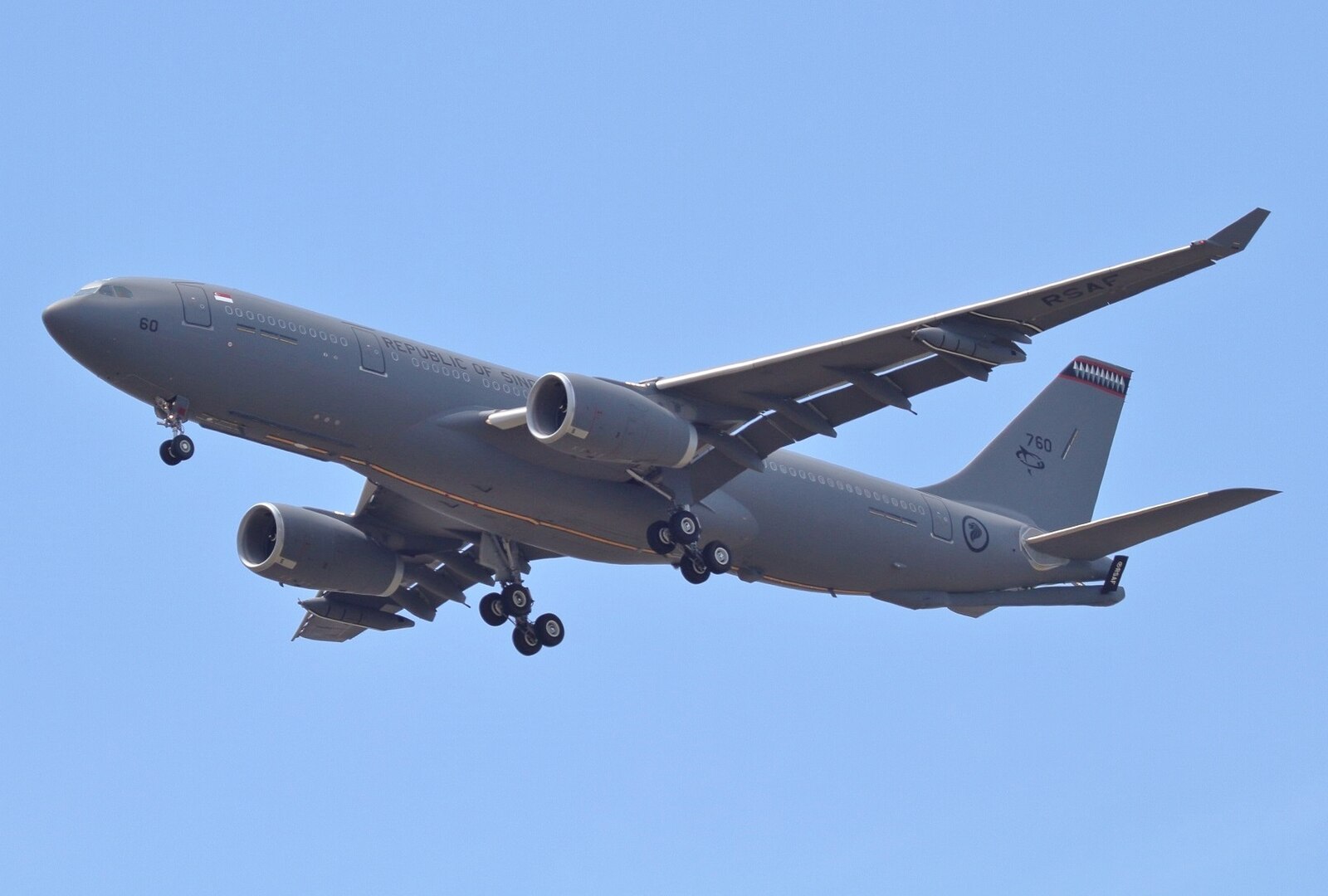
Photo: Alert5, Own work
RSAF also invests heavily in Early Warning and Control (AEW&C) systems. Four Gulfstream G550 Airborne Early Warning aircraft, equipped with EL/W-2085 radar, provide a wide range of observation and command. This system allows RSAF to detect and track air threats far beyond Singapore's borders and effectively coordinate responses.
Helicopters and helicopter operations
The helicopter fleet is another key element of the RSAF's capabilities. The force has about 88 helicopters that support transport, rescue and combat missions. Among them are 16 Boeing CH-47F Chinook heavy transport helicopters, capable of transporting soldiers, vehicles and large cargo. Chinook helicopters are often used for humanitarian aid and rescue missions in the region, as well as for transport during military exercises.
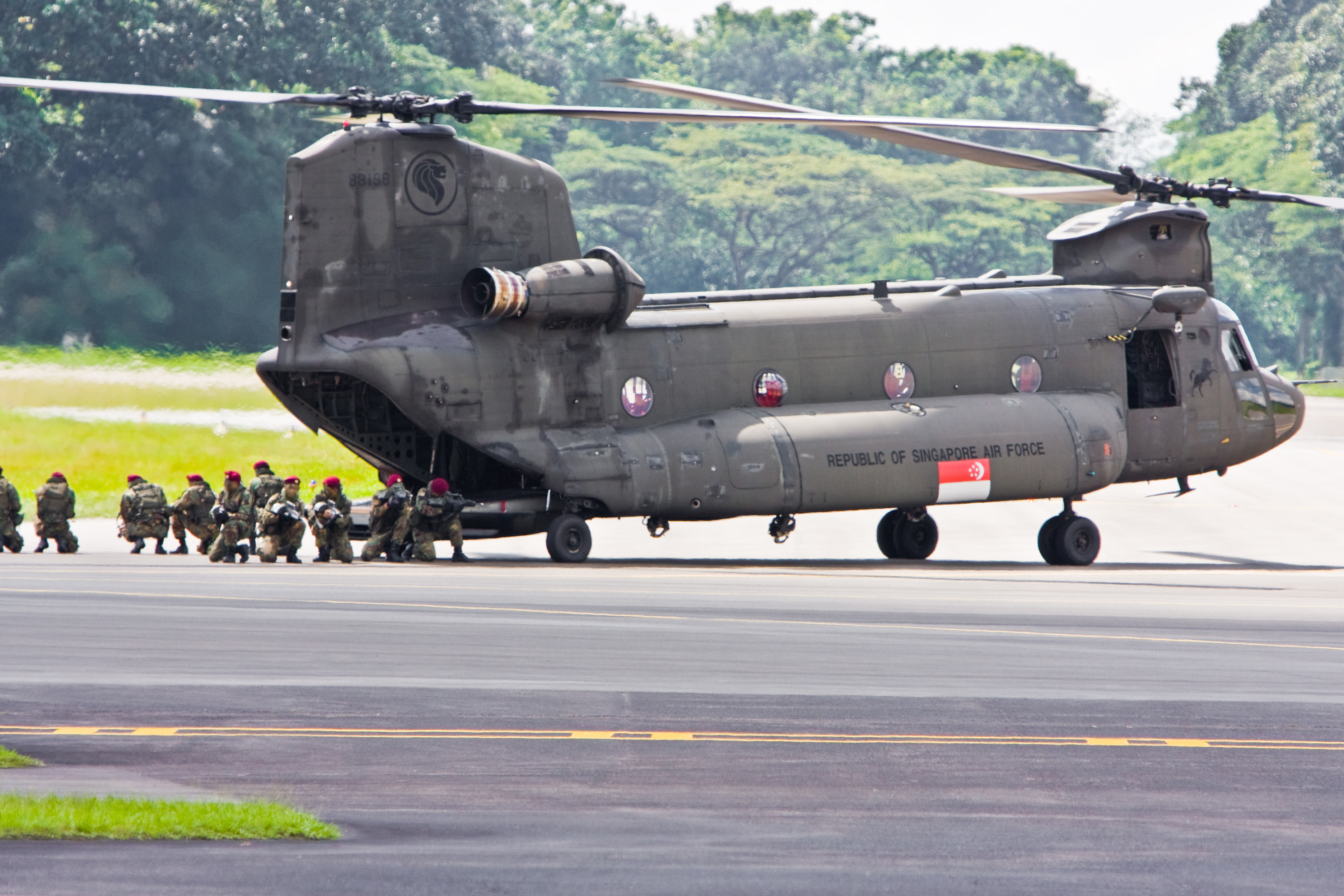
Photo: LH Wong
For multi-role and tactical operations, the RSAF uses the Eurocopter AS332 Super Puma and its modern successor, the H225M Caracal, which entered service in 2021. These helicopters perform a wide range of tasks - from troop transport and medical evacuation to maritime and search and rescue operations. The AH-64D Apache Longbow is the RSAF's main attack helicopter, providing close air support to ground forces and the ability to engage armored targets. The Apache fleet, equipped with Longbow radar and AGM-114 Hellfire missiles, provides the RSAF with lethal and precision strike capability.
To train helicopter pilots, RSAF uses Bell 206 JetRanger and other training aircraft in foreign training units. RSAF runs helicopter training schools in Australia and the United States, where pilots can train in large, unrestricted airspace.
Training and overseas branches
Due to Singapore's limited airspace, overseas training has always been essential. RSAF maintains several permanent training facilities overseas, including Peace Carvin (F-16 training) in the United States, Peace Prairie (CH-47 training) and Peace Vanguard (Apache training) in the US, and the Pearce branch in Australia, where basic flight training takes place. These programs allow RSAF personnel to gain experience in realistic combat conditions and large-scale exercises with allied forces.
RSAF also participates in numerous international exercises, such as Pitch Black (Australia), Red Flag (USA) and Cope Tiger (Thailand), strengthening interoperability with allies and maintaining high standards of readiness.
Recent purchases and future directions of development
In recent years, Singapore has embarked on a significant wave of modernization. In 2024, it announced the purchase of eight new F-35A Lightning II fighters, complementing an earlier order of twelve F-35B STOVL variants. The first four F-35Bs are expected to reach customers in 2026, and all twelve by 2028, with delivery of the F-35A planned for around 2030. As a result, RSAF plans a total of 20 F-35s, a mix of A and B variants, which will provide stealth and network-centric capabilities for decades to come.
The F-35A can carry a payload of about 8160 kg, while the F-35B can carry about 6800 kg. The total value of the order is estimated at over $4 billion, which is one of Singapore's largest investments in defense. The F-35 fleet will gradually replace the F-16C/D aircraft, which have been in service since the late 1990s and will begin to be phased out in the mid-2030s.
In addition to the fighters, Singapore has also approved the purchase of four Boeing P-8A Poseidon maritime patrol aircraft, which will replace the aging Fokker 50s, which have been in service since 1993. The first Poseidon are to be delivered in the late 2020s, which will further strengthen the capabilities for maritime observation and anti-submarines.
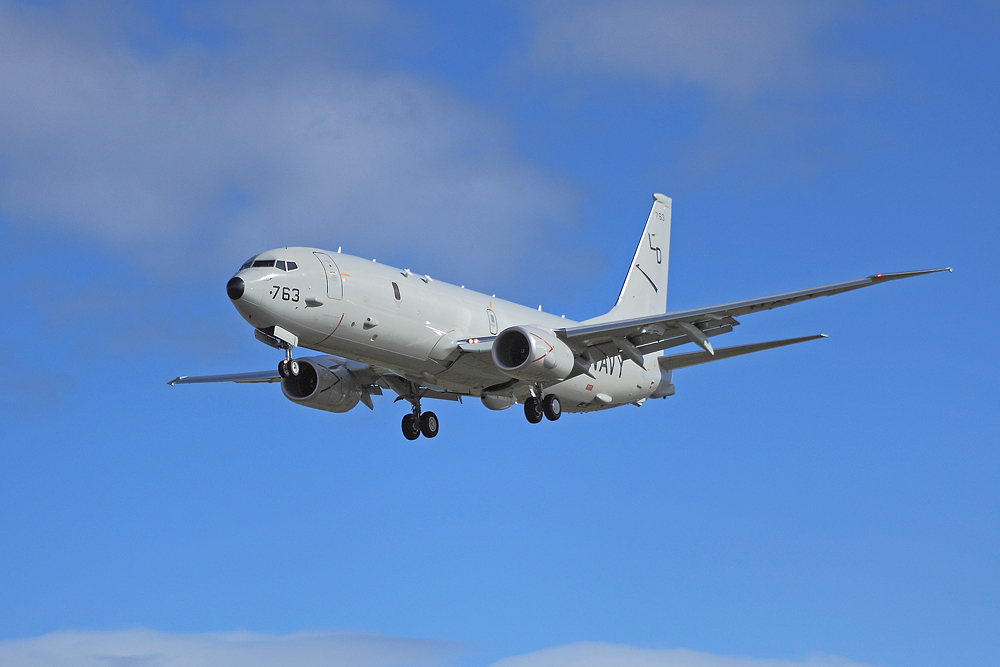
Photo: Trevor Hannant
Singapore's defence budget continues to reflect this modernisation trend. In fiscal year 2024/2025, this budget is Singapore $20.2 billion (about $15 billion), an increase of about 2.5% compared to the previous year. This budget supports not only the purchase of aircraft, but also training systems, simulation technologies and the upgrade of advanced infrastructure at local bases such as Tengah and Changi East.
Singapore's Aerospace Industry
Although RSAF does not export aircraft, Singapore has a thriving aerospace and defense manufacturing ecosystem. There are more than 130 aerospace companies in the country, focusing on component manufacturing, maintenance, repair and overhaul (MRO), and advanced materials. The industry employs more than 22,000 professionals and generates billions of dollars in Singapore's GDP.
Joint ventures such as Singapore Aero Engine Services Limited (SAESL) – a partnership between Rolls-Royce and SIA Engineering Company (SIAEC) – carry out extensive maintenance of Rolls-Royce Trent engines, used in both commercial and military aircraft. SAESL is currently investing $180 million to expand its production capacity by 40%, creating more than 500 new jobs over the next five years.
Similarly, Eagle Services Asia, a partnership between Pratt & Whitney and SIAEC, is expanding its business to increase its turbofan geared engine (GTF) maintenance efficiency by 60 percent, supporting the operation of next-generation aircraft in the region.
Although Singapore does not design or build its own combat aircraft from scratch, it is recognized as one of Asia's key aerospace industry hubs for precision engineering, avionics integration, and engine overhaul. Companies such as ST Engineering Aerospace also play a key role in providing military-grade MRO services and unmanned aerial vehicle (UAV) manufacturing, such as the locally developed Skyblade and Orbiter 3 UAVs.
Photo: Bryan Van Der Beek
This article was prepared as part of the public task commissioned under the Government Programme for the Development of Civic Organizations 2018–2030: “Safe Poland of Tomorrow – strengthening the mission-driven activities of the Alioth Foundation.”
