
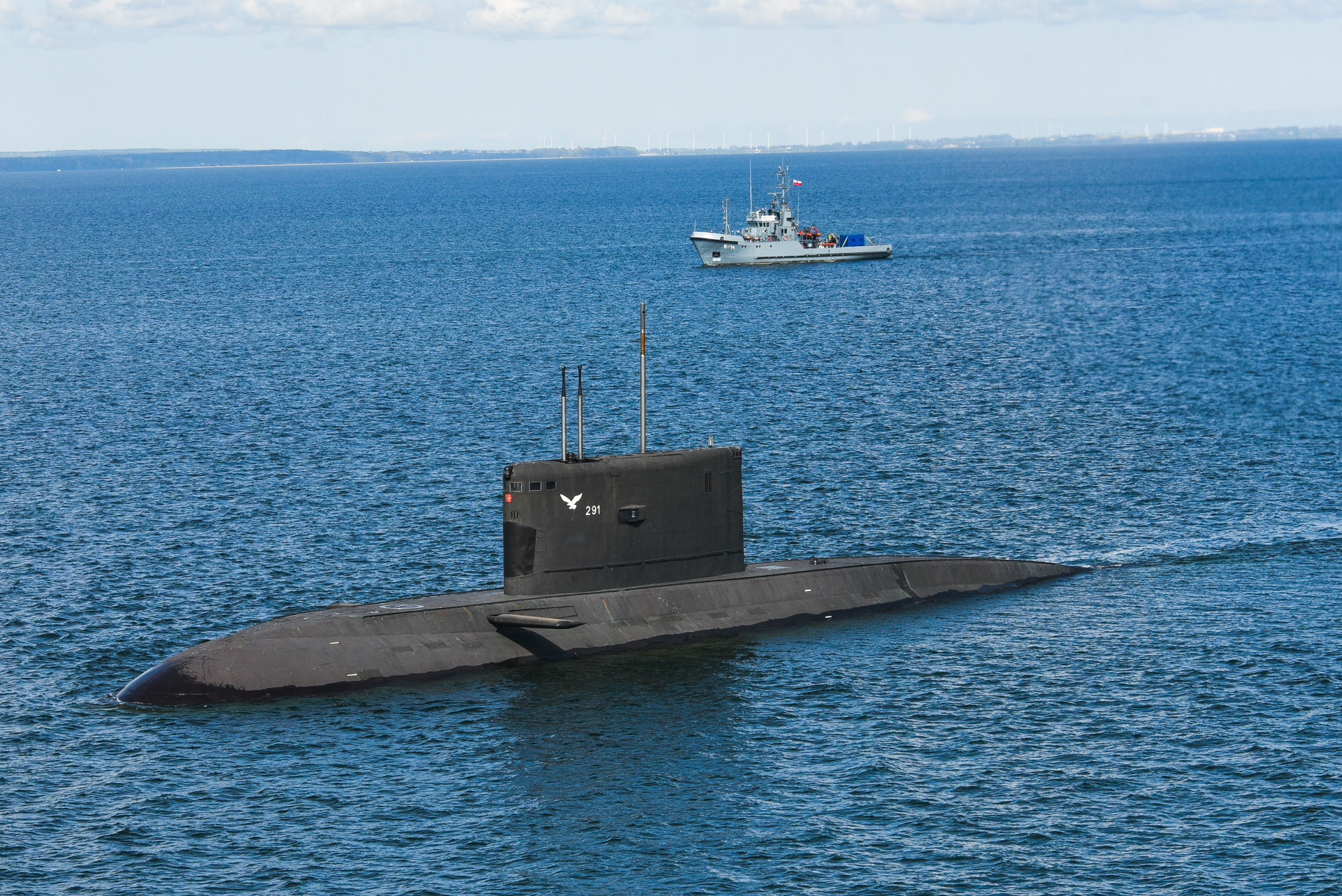
The "Orka" program, implemented by the Ministry of National Defence, is entering the next phase. It is one of the most important modernization projects of the Polish Armed Forces in recent years, aimed at acquiring new submarines for the Navy. Currently, Poland has only one active submarine - ORP "Orzeł", whose age and limited operational capabilities have long caused concern in the military environment. With changing security conditions and the growing importance of the maritime domain, modernizing your submarine fleet is becoming a necessity, not a choice. The Orka program will fill this gap.
The recently completed work of the Ploughing Task Force led to the preparation of detailed recommendations, which were presented to the Council of Ministers. This marks the beginning of the decision-making phase that will determine the further course of the program. The Ministry of National Defence has received offers from six countries – including Germany, Sweden, Italy, France, Spain and South Korea. Each proposal includes various variants of ships equipped with modern sensors, combat systems and optional cruise missiles, which would significantly increase deterrence capabilities in the Baltic Sea. The analysis of the offers included tactical parameters, the potential for technology transfer to Polish plants and long-term industrial cooperation.
Formally, the programme has taken the form of an intergovernmental agreement that aims to increase transparency and ensure a safe and systematic negotiation process. This model, commonly used in large-scale arms purchases, could strengthen Polish's position in negotiations regarding the financing, construction and subsequent maintenance of these ships. The government has declared its readiness to complete the decision-making process later this year, which will pave the way for the signing of the agreement and the start of preparatory work.
The benefits of the Orka programme are multidimensional. The key ones are a significant increase in the Navy's operational capabilities and a strengthened deterrence system in the Baltic Sea region. The new submarines will allow Poland to conduct reconnaissance and combat operations against surface targets, and in many cases also to attack targets. Equally important is the industrial potential: such agreements could open the door for Polish companies to advanced shipbuilding technologies, increase employment and enable the acquisition of skills that would otherwise be difficult to acquire.
Like any major modernization program, Orka also poses challenges. The most important will be negotiations on the detailed terms of the agreement - the scope of offsets, the participation of local industry, technology transfer and payment schedules. Another risk factor is the need to secure funds for long-term maintenance of vessels – from the construction of infrastructure, through crew training, to modernization in the coming years. Such advanced units are not only a purchasing product, but a system whose effectiveness depends on continuous support and the widest possible base of technical support.
A significant voice in the debate on the Orka program is the Alioth Foundation's report "Ploughing for Polish – Time of Decision". According to the authors of the report, the best choice would be the Italian concern Fincantieri and its Type 212NFS submarine. The 212NFS ships meet the most important requirements. They combine a modern and quiet drive adapted to the Baltic Sea with high chances for favorable purchase conditions, extensive industrial cooperation and the possibility of quick acquisition of the unit and further development of the fleet in the future. Sweden is in second place among Alioth's recommendations. The Swedish A26 Saab ship range is attractive - they are modern units ideally suited to operations in the Baltic Sea, but it lacks a guarantee of fast delivery due to program delays and limited Saab production capacity. The Alioth report also analyzes the rest of the options. It is a must-read for anyone who wants to fully understand the importance and complexity of the decisions facing the Polish government.
The Orka program is therefore a project of strategic importance for national security. Its success will strengthen Polish's defence capabilities, increase the prestige of the Navy, increase interoperability with allies and may be a development impulse for the domestic shipbuilding industry. Therefore, accepting the recommendations of the Task Force and starting contract negotiations quickly seems to be a natural and justified step. Poland now has a rare opportunity to make a qualitative leap in an area that has been neglected for decades. It is worth taking advantage of this opportunity.
Photo: Com. 2nd Lieutenant Radosław Pioch | DGRSZ
This article was prepared as part of the public task commissioned under the Government Programme for the Development of Civic Organizations 2018–2030: “Safe Poland of Tomorrow – strengthening the mission-driven activities of the Alioth Foundation.”
