
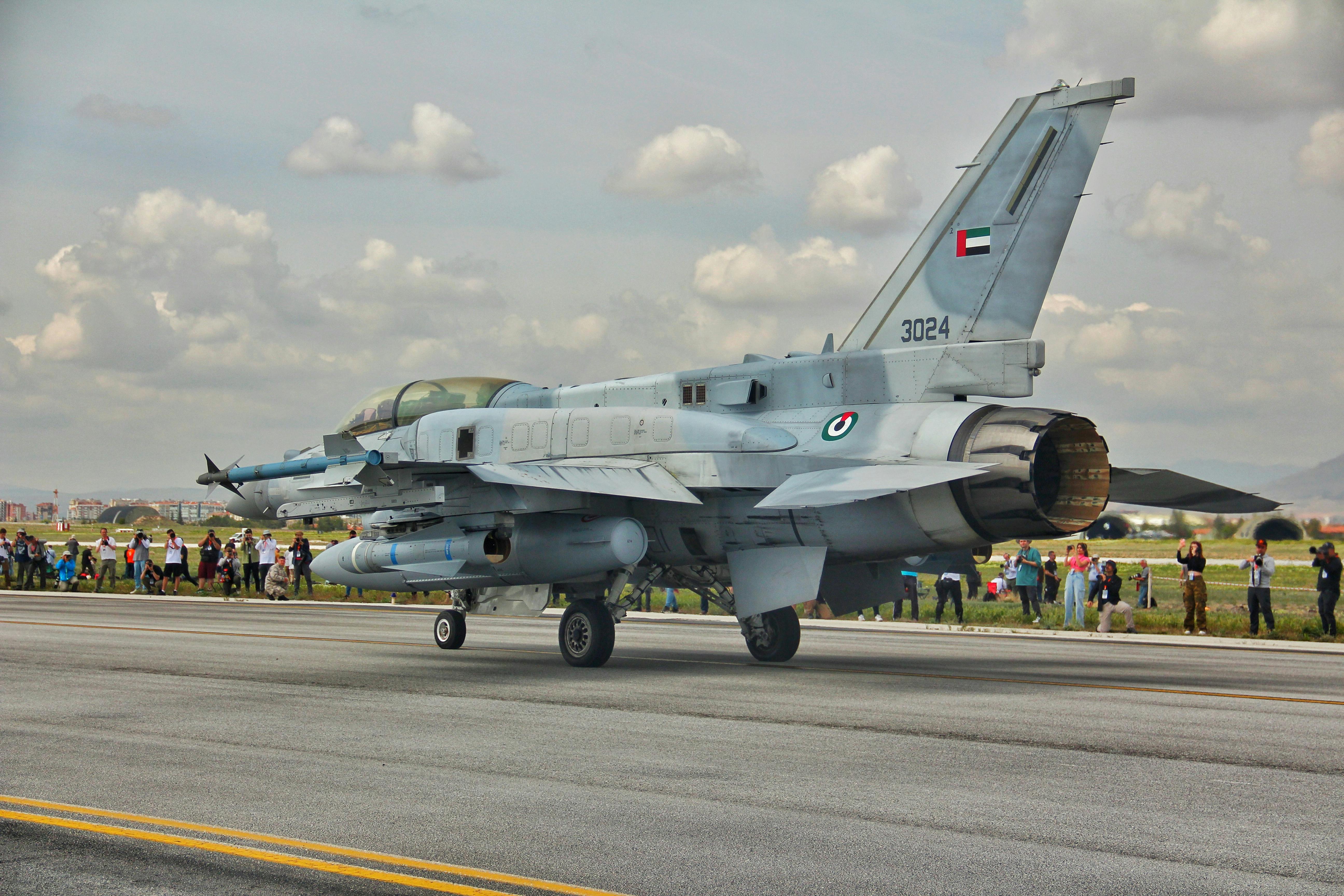
United Arab Emirates Air Force
The United Arab Emirates Air Force (UAEAF) is one of the most modern and efficient air forces in the Middle East. Known for its advanced technology, high training standards, and strong collaboration with Western allies, the UAEAF has evolved from a small desert air unit into a highly advanced and well-equipped force, playing a key role in the defense and security of the Arabian Peninsula and beyond.
The beginning and formation
The origins of the United Arab Emirates Air Force date back to 1968, even before the establishment of the United Arab Emirates. Initially, the Trucial Oman Scouts operated a small air wing under British supervision, flying light aircraft for reconnaissance and transport purposes. After the federation of the United Arab Emirates in 1971, the independent Air Force was officially established as the "Air Wing of the Abu Dhabi Defense Forces" and was later incorporated into the national military structure.
Photo: Defense Visual Information Distribution Service, 14.11.2018
In its early days, the UAE Air Force relied heavily on foreign aid, particularly from the United Kingdom and Pakistan. Among the first aircraft were the British BAC Strikemaster and Hawker Hunter, used for both training and ground attacks. The 1980s brought the first wave of modernization with the purchase of the Dassault Mirage 5 and later Mirage 2000 fighters, which gave the UAE its first ability to perform supersonic attacks in all weather conditions. By the early 1990s, the UAEAF had gained a reputation as a professional and rapidly modernizing center, reflecting the country's growing economic strength and its strategic focus on air superiority.
Modernization and expansion
The 1990s and the beginning of the 21st century were a period of dynamic development of the United Arab Emirates Air Force (ZEAF). The most important step was the purchase of 80 Lockheed Martin F-16E/F Block 60 Desert Falcon aircraft - the most modern version of the F-16 ever made. Deliveries of these aircraft began in 2005. They are equipped with conformal fuel tanks, advanced radar systems and state-of-the-art avionics, designed specifically for the requirements of the UAE.
In addition to the F-16, the Dassault Mirage 2000-9 aircraft fleet has been upgraded to an advanced standard, offering improved radar, electronic warfare systems, and the ability to use precision guided munitions. These two platforms provided the UAE with a versatile combination of multi-role and strike capabilities, capable of operating in harsh desert conditions and performing long-range missions.
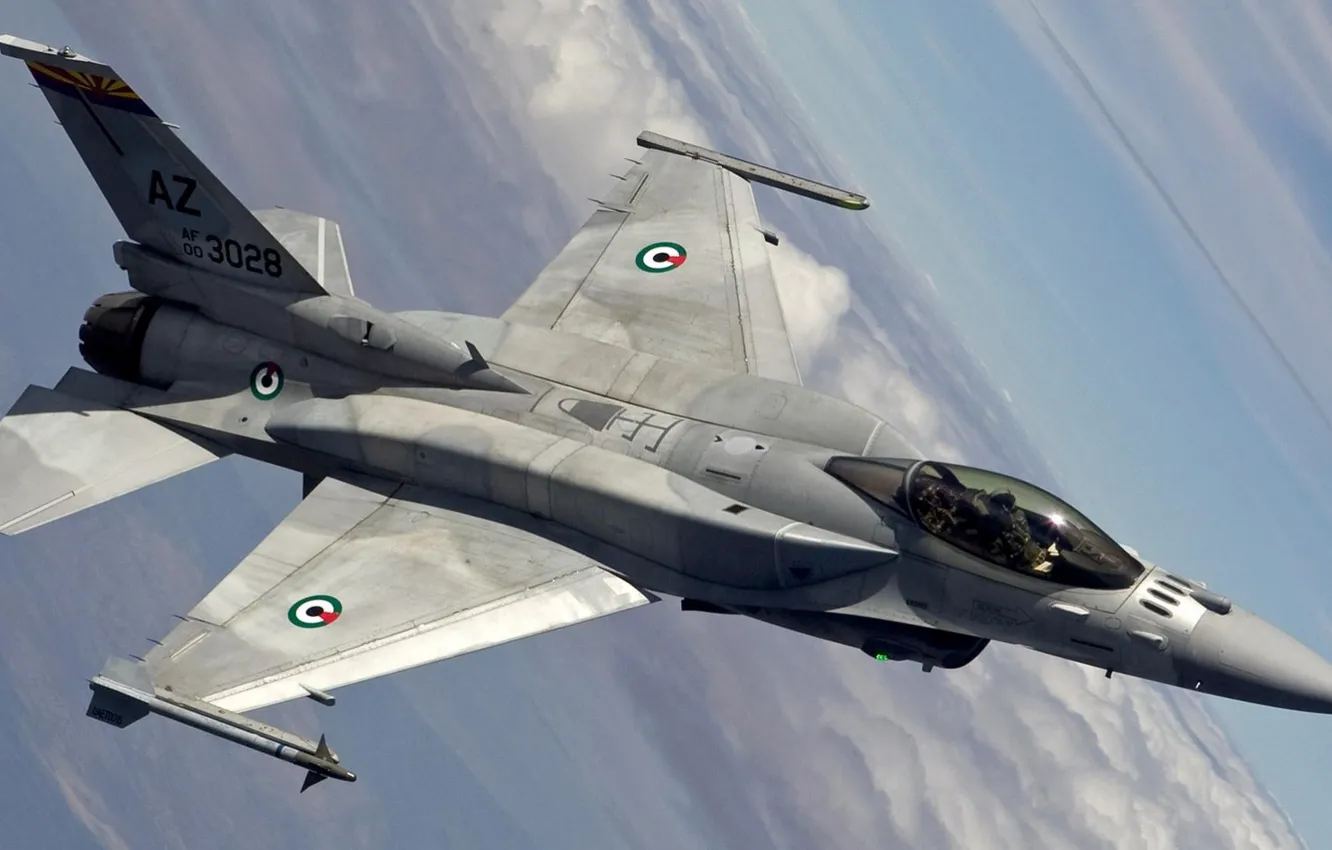
Photo: Nitchou, godfon.com, 01.06.2014
ZEAAF has also invested heavily in ground-based air defence, command and control infrastructure, and pilot training centres. The creation of advanced flight simulators, joint training centers, and cooperation with the United States and French Air Forces helped raise the UAEAF's operational standards to NATO level.
Mobility, Surveillance and Support Opportunities
To complement its combat power, the UAE has developed a robust fleet in terms of air mobility and support. The Air Transport Command (AIR Transport Command) uses C-130H and C-17A Globemaster III aircraft, capable of delivering troops, vehicles and humanitarian aid to the Middle East and Africa. These aircraft have played a key role in supporting regional operations, including aid missions and coalition activities.
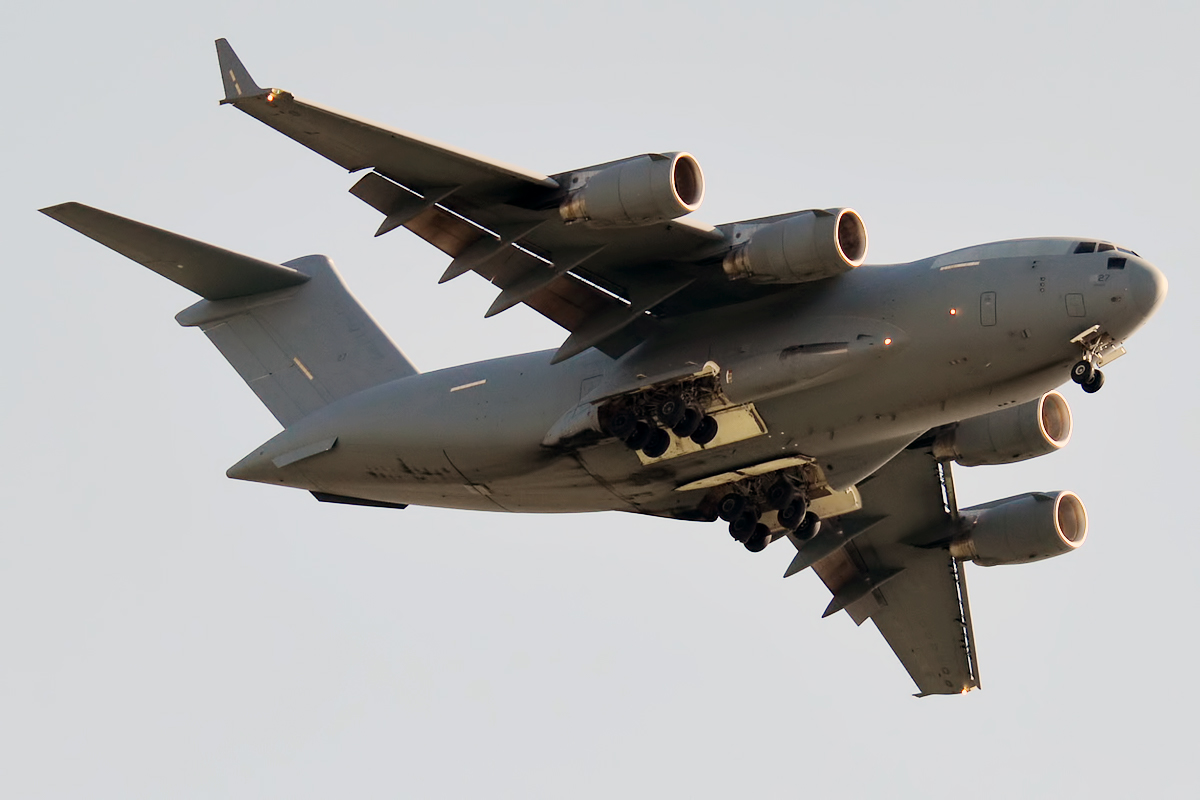
Photo: Anna Zvereva, 17.05.2019
Airborne refueling is provided by Airbus A330 MRTT aircraft, which significantly extends the range and endurance of the UAE fighter fleet. In terms of surveillance and intelligence, the UAE has invested in advanced early warning and control (AEW&C) systems, including Saab GlobalEye platforms – one of the most modern aerial reconnaissance aircraft in the world – providing multi-domain detection in the air, on land and at sea.
The UAE also uses unmanned aerial vehicles (UAVs) such as China's Wing Loong and the U.S. MQ-9 Reaper, expanding its reconnaissance and precision strike capabilities.
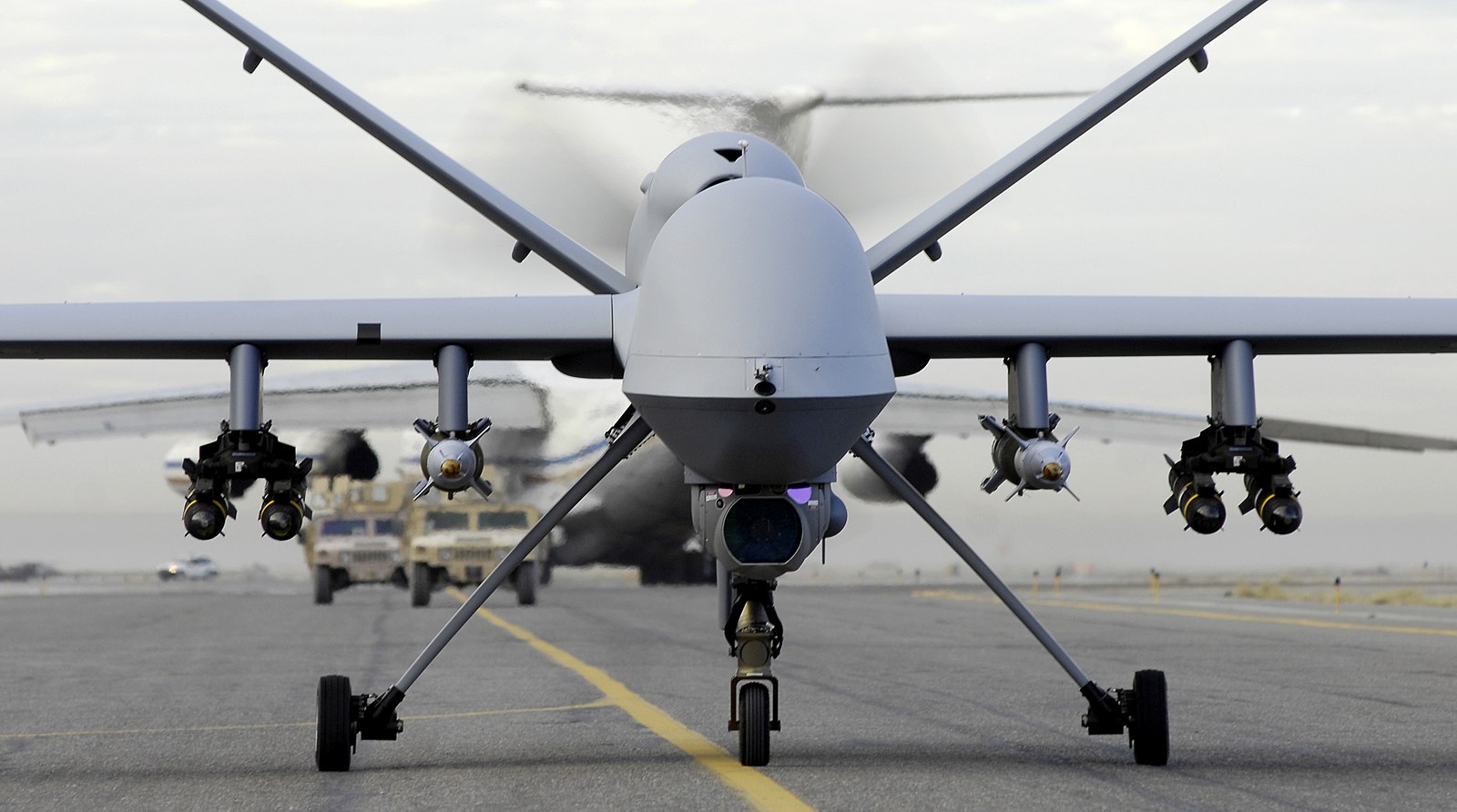
Photo: U.S. Air Force photo/Staff Sgt. Brian Ferguson, 04.11.2007
Training and international cooperation
Training excellence is the cornerstone of ZEAAF. Cadet pilots undergo initial training at Khalifa bin Zayed Air College in Al Ain, followed by advanced training on BAE Systems Hawk or Pilatus PC-21 aircraft. ZEAAF also works closely with Western air forces, sending pilots for training to the United States, France and Italy.
The UAE regularly participates in international exercises, such as the US-led Red Flag exercise in Nevada, the "Iron Falcon" exercise with allied members of the Gulf Cooperation Council (GCC), and bilateral exercises with France and Egypt. These exercises enhance interoperability and ensure that ZEAAF pilots maintain global standards of combat readiness.
The Air Force's cooperation with France is particularly entrenched; France maintains a permanent military base in Al Dhafra, which also hosts U.S. and allied aircraft operating in the region. This base has played a key role in operations over Iraq, Syria and Afghanistan.
Helicopters
Helicopters play an important role in the transport, rescue, and combat support missions of the United Arab Emirates Air Force (ZEAF). The fleet includes CH-47F Chinook heavy transport helicopters, Bell 412 and UH-60M Black Hawk multirole helicopters, and Eurocopter AS550 Fennec light attack aircraft.
These platforms are used for troop deployment, search and rescue (SAR) missions, and border patrol. The UAE's investments in modern helicopter technology enhance their ability to respond quickly to emergencies, both at home and abroad. In recent years, the Air Force has also explored the possibility of integrating attack helicopters and armed drones into joint operations, particularly as part of coalition operations.
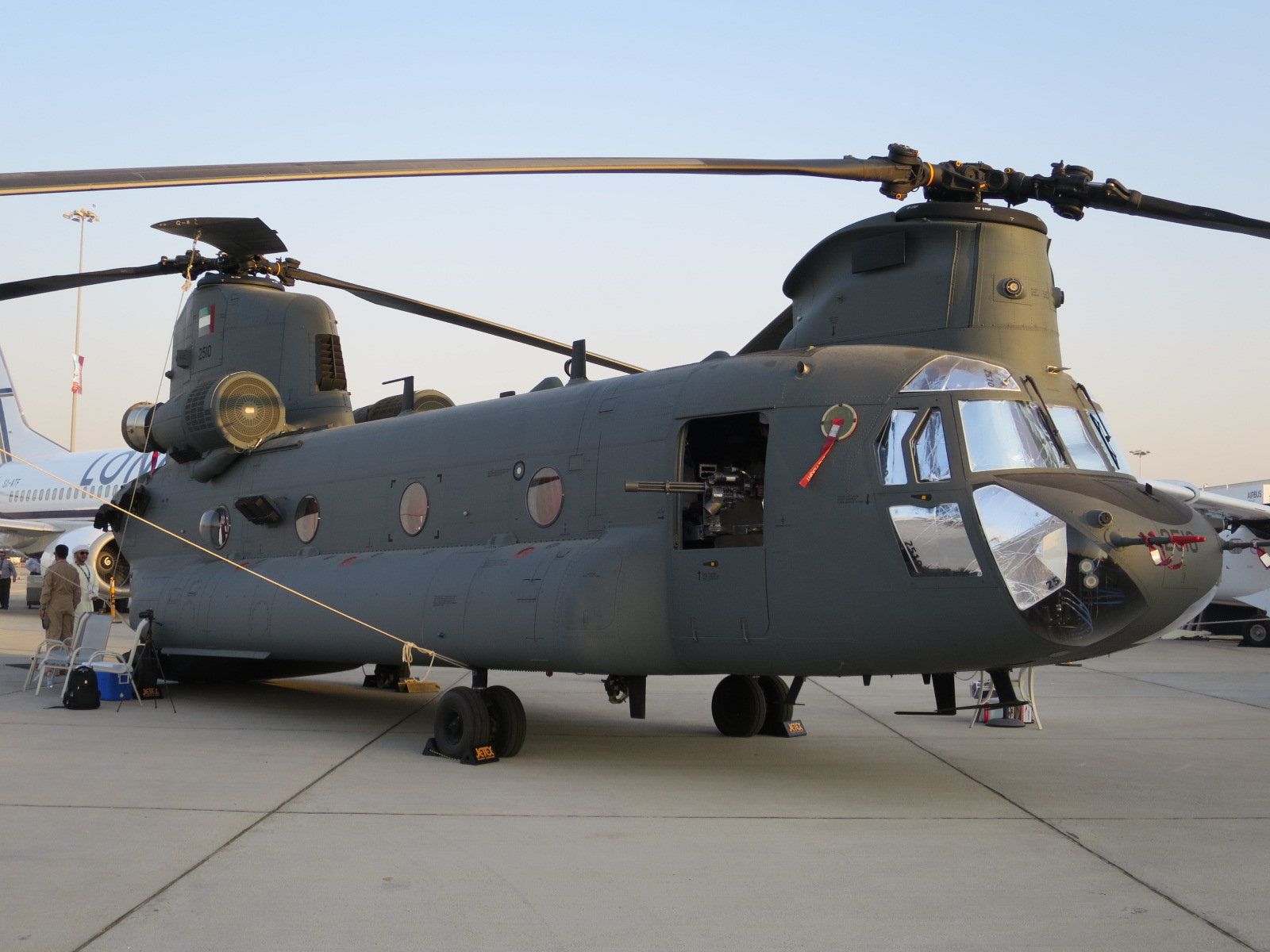
Photo: Mztourist, 09.11.2015
Operational experience
Over the past two decades, the UAEAF has accumulated extensive combat experience. They played an active role in the 1991 Gulf War, providing logistical support and reconnaissance. In later years, they participated in NATO operations in Libya (2011) and in the US campaign against ISIS in Syria and Iraq.
Between 2015 and 2020, UAEAF aircraft took an active part in the operations of the Saudi-led coalition in Yemen, carrying out precision strikes, airlift missions and humanitarian aid airdrops. These experiences strengthened the UAEAF's operational maturity and combat-proven reputation.
Recent purchases and future development
The UAE continues to modernize at a rapid pace. In December 2021, it signed a landmark agreement to purchase 80 Dassault Rafale F4 fighters, the latest version of France's advanced multirole combat aircraft. Deliveries are expected to begin in the mid-2020s, and the Rafale will ultimately operate alongside or replace some of the Mirage 2000 and F-16 fleets.
The United Arab Emirates has also expressed interest in acquiring the American F-35 Lightning II stealth fighter, although negotiations are still ongoing. The acquisition of next-generation fighters would place the UAE in the elite group of air forces operating fifth-generation platforms.
The UAE Air Force also invests in unmanned systems, cyber defense and space capabilities. The country's defense industry – led by EDGE Group and its subsidiaries such as Halcon and Adasi – is developing indigenous drones, smart munitions and AI-assisted targeting systems.
Budget and strategic perspective
The UAE allocates one of the highest per capita defense budgets in the world, estimated at around $23 billion in 2024, much of which is allocated to the air force. This funding supports fleet modernization, infrastructure development, and training of Emirati personnel to perform more important command and technical functions in the Air Force.
Strategically, the UAE Air Force (UAE) is a central element of the country's deterrence and its regional influence. Their ability to project strength, support coalition operations, and provide humanitarian assistance reflects the UAE's broader vision as a modern, responsible power.
UAE Aerospace & Defense Industry
The UAE's domestic aerospace sector has grown rapidly over the past decade. With the EDGE Group, the country has consolidated its research and production capacity in the field of defense, focusing on precision guidance weapons, the development of unmanned aerial vehicles (UAVs), and the integration of advanced avionics.
Companies such as AMMROC (Advanced Military Maintenance, Repair and Overhaul Center) and GAL are dedicated to the maintenance and support of the UAE fleet, including F-16, Mirage and C-17 aircraft. Partnerships with international companies such as Dassault, Lockheed Martin and Saab ensure continuous technology transfer and local industry participation.
The UAE's emphasis on innovation and self-sufficiency in defence technologies has made the UAE one of the most advanced and efficient air forces in the Arab world – a symbol of the country's vision, discipline and strategic foresight.
Photo: Sümeyye Candan, 09.05.2023
This article was prepared as part of the public task commissioned under the Government Programme for the Development of Civic Organizations 2018–2030: “Safe Poland of Tomorrow – strengthening the mission-driven activities of the Alioth Foundation.”
Alioth
